Doctors Couldn’t Stop Crying When They Discovered How This Baby Was Born
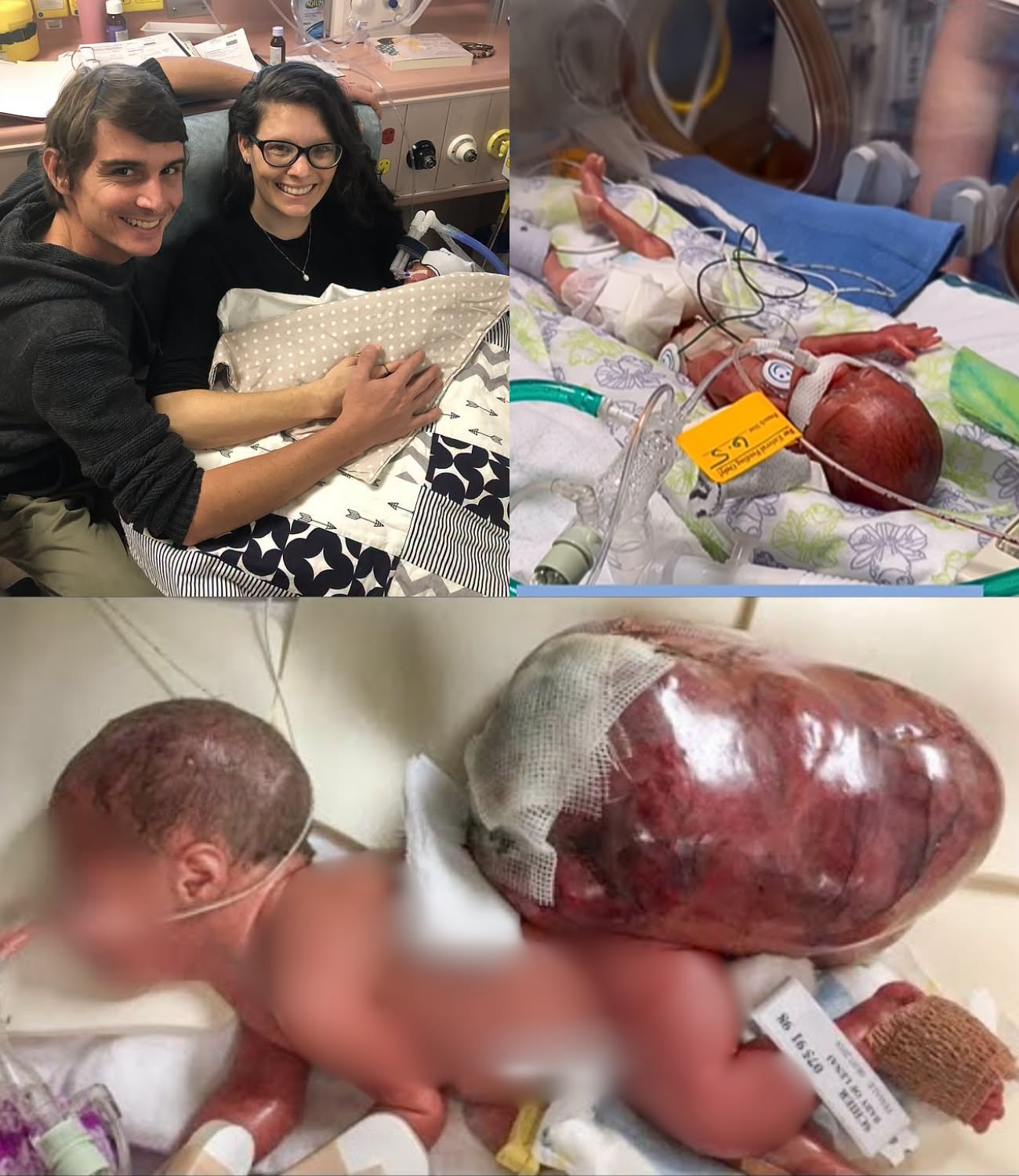
Doctors Couldn’t Stop Crying When They Discovered How This Baby Was Born
Nothing brings more joy to a family than the birth of a child. New parents, grandparents, aunts, and uncles are all filled with anticipation at the thought of welcoming a new member to the family. Bringing a new life into this world is a remarkable experience, and despite the inevitable obstacles, childbirth often leaves a mother with a profound sense of accomplishment. Even if they rarely speak of the physical ordeal, mothers cherish the memories of bringing their children into the world.
For parents who refuse to terminate a pregnancy after learning their child will be born with a genetic anomaly, defying medical advice often stems from a place of deep, unconditional love. Raising a child with complex health issues involves countless hospital visits and medical interventions—far more than most could ever imagine. Yet, by connecting with others in similar situations, parents quickly learn that it is entirely possible to build a relatively normal, fulfilling life, even when their children require specialized care.
This is the story of a baby born with a tumor one and a half times the size of his own body—a child who beat the odds and survived after his parents made the courageous decision to continue the pregnancy.
Lana Shier and her husband, Matt, were thrilled to be expecting their second child, a little sister for their son, Wilder. However, their excitement was soon overshadowed when a series of scans revealed the baby would be born with a massive tumor. Medical professionals quickly offered the couple the option to terminate the pregnancy.
In the early weeks, Lana and Matt tried to understand what could have caused the anomaly. Aside from severe morning sickness that lasted until her 18th week, the pregnancy had seemed entirely normal. The tumor was officially discovered during their standard 20-week check-up, when Lana was informed that a mass was developing near the baby’s tailbone. Given its rarity, doctors were initially unsure of its exact nature, suspecting it might be spina bifida.
After conducting a thorough investigation, the medical team delivered the diagnosis two days later: their baby had a sacrococcygeal teratoma (SCT), a type of tumor that develops at the base of the coccyx. Feeling that the doctors’ explanations left too many questions unanswered, Lana immediately began researching the condition herself. She was referred to a team specializing in high-risk pregnancies for close monitoring.
Because extensions of the baby’s blood vessels reached into the mass, the tumor was essentially draining vital nutrients from the baby. At 28 weeks, the couple was transferred to a specialized hospital in Adelaide to be monitored with three scans a week. On July 8th, Lana’s daughter, Zeila, was born via cesarean section. The newborn weighed a fragile 2.2 pounds, eclipsed entirely by the tumor, which weighed 3.2 pounds.
Just three days after her birth, the tiny infant underwent a grueling six-hour surgery to remove the mass. She was resuscitated several times during the procedure and required five blood transfusions. Following the successful operation, Zeila spent ten days in the neonatal intensive care unit (NICU). After 57 days at the specialized hospital, she was finally discharged, though it would be another five months before she was fully cleared to return home.
Fortunately, Zeila’s tumor was benign. She appears to have no long-term organ damage and is thriving, even as she works toward milestones like crawling and walking.
“The doctors asked us not to look anything up on Google when they found the lump, so we wouldn’t be scared by false articles online. Despite that, my husband and I turned to the internet to get more information about our baby’s critical situation,” Lana said.
“During those two days, I only thought about one thing. Did this happen because I didn’t take my pregnancy vitamins every day or because I didn’t eat healthy enough? I was so afraid that our baby wouldn’t be able to walk or that she would suffer a lot. I was extremely sad when we received the diagnosis. Even the doctor who called us didn’t have much information. When we were in the room and asked all the doctors via Skype about the severity of the GCT tumor, they seemed worried about its size, but they were happy it wasn’t affecting any of her organs at the time.”
“When we were offered an abortion, we both decided to continue the pregnancy as long as she wouldn’t suffer during her life. When I did my own research, it was extremely difficult to get information about the tumors. I found most of the basics that the doctors had already told us about. I learned that women were affected more often than men and that the doctors would remove Zeila’s tailbone to prevent the tumor from growing back. There are solid parts and cystic parts, and the outcome is much worse when the tumor is solid. 75% are benign and only 12% are cancerous. I also tried to see if I could eat certain foods to shrink or stop the tumor from growing.”
“I followed a diet to see if it could have a positive effect, while keeping in mind that I needed certain things to improve her health and mine. One of the things I started doing was drinking hot water with freshly squeezed lemon juice in it first thing in the morning. However, most of the information I found on helping to shrink tumors I couldn’t use because you shouldn’t eat those things during pregnancy or in large quantities. Anyway, I felt that I had to do everything in my power not to let the tumor grow.”
“I really felt a bit depressed by this situation. I wanted to be healthy and for my baby to grow and be healthy too. But I didn’t want that other thing inside me to grow. What helped me the most was when I got in touch with other women who were pregnant or had already had their SCT baby. They answered so many questions and helped me know what to expect when I had her. Also, I found something else extremely interesting in my research. Some doctors think the tumor is a twin that never formed. I think that might make sense because my mother is a twin and my husband’s father is a twin.”
Lana recalled crying the first time she finally held Zeila in her arms.
“I was in shock at how small she was and that the tumor was bigger than her,” she said. “Having her in person made her so real. It was so good to see her, but I was also absolutely terrified because we knew she was going to have surgery. We were just hoping everything would go well and that we would come back to see our baby alive.”
To prevent a recurrence, Zeila’s tailbone was removed. She remains closely monitored with frequent blood tests, as specialists note the highest risk of the tumor returning is before the age of five.
“Zeila had been in the hospital for so long, and finally we were all reunited as a family in our own home with our cat and dog. I felt like even though Zeila was already five months old when she came home, that was when her life truly began. We were finally bringing our newborn home,” Lana explained.
“I just want her to be a happy and healthy baby one day. I hope she can connect with other survivors. Several women have contacted me to ask about my daughter’s story, telling me they were pregnant and their baby had already been diagnosed with SCT. I want others to take from our story that hope is so important and that they are not alone. Make sure to ask plenty of questions and do as much research as possible. Even though her tumor is really rare, I managed to find other people going through exactly the same thing as us thanks to social media.”
“I know some people get scared or overwhelmed when they discover something terrifying, especially when it concerns their children, because parents just want what’s best for their kids. Don’t be afraid to ask questions, insist on getting answers, and seek a second opinion. And I think it all comes back to hope. The more informed you are, the calmer you can be, and the more hopeful you can feel. I know exactly what they are going through. So, I am always ready to share her story. Sharing it has also helped me heal, and I’ve built bonds with others who have been through or are going through the same thing.”