Mom Installed a Camera To Discover Why Babysitters Keep Quitting But What She Broke Her Heart
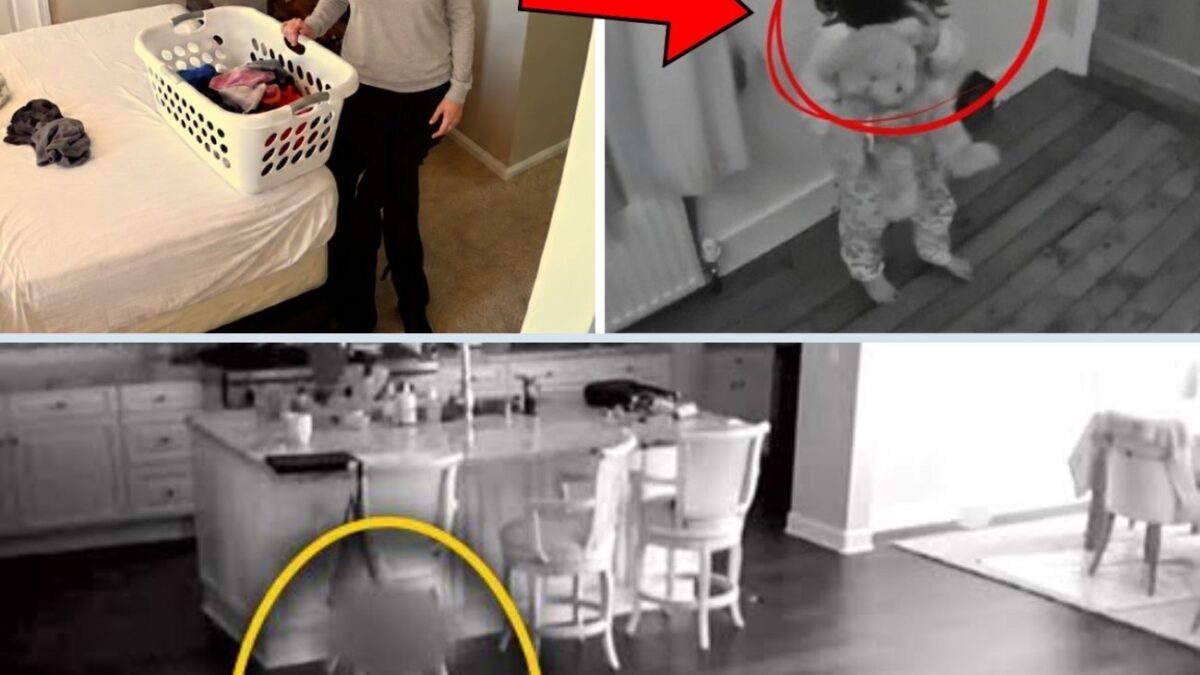
The first babysitter quit after only three weeks. Then another left and another. Within a few months, six babysitters had walked away from the same job in Jennifer’s home. Each new arrival seemed like a fresh start. Somehow, it always ended with another sudden resignation.
Jennifer kept searching for an explanation, but nothing she saw while she was home made sense of what was happening. When she hired a seventh sitter, she installed cameras in the living room and hallway. At first, the recording showed an ordinary routine. She began to hope this time would be different.
Then, the seventh babysitter quit, too. This time, Jennifer had the recordings. She sat down and pressed play, determined to find the moment everything had gone wrong. But the moment she saw what the camera had recorded, she froze in shock and burst into tears.
Before the messages and the cameras, Jennifer had thought finding the right person would solve the problem. She was raising three children while working full-time. Her youngest, Kirk, was only a year old. Her six-year-old daughter, Marie, still needed someone waiting when she came home from school. Between meals, pickups, and the baby’s routine, Jennifer’s working day depended on reliable help.
She took the search seriously. She interviewed candidates, checked references, and spent time introducing each person to the children. She wanted someone who would become familiar enough for the household to feel settled. When she hired Lisa, that finally seemed possible.
Lisa arrived on time. She asked about Kirk’s naps and listened while Marie explained a drawing she had made. By the end of the first week, Jennifer could leave for work without mentally rehearsing everything that might go wrong before she returned.
In the evenings, the children seemed comfortable. Marie brought her mother pictures, talked about school, and answered questions about the day. Jennifer saw no reason to think the arrangement was failing. Then, after three weeks, Lisa sent a message saying she could not continue. She asked for her final pay and did not come back.
Jennifer read the message twice. There had been no warning that she understood as a reason to leave. Lisa had mentioned difficulties with the afternoon routine, but Jennifer had assumed they were still working through the usual adjustments. Now she had to arrange cover for the next morning.
She wondered whether the hours had been too long or the responsibilities too much. During the next round of interviews, she described the schedule more carefully and asked what support the new sitter would need. For a while, that appeared to help. Then the next sitter resigned.
Over the following months, the pattern repeated until five more women had left after Lisa. Their explanations varied. The role was not a good fit. The afternoons were difficult. They could not keep doing it. Jennifer asked questions, but she kept looking for a practical problem she could fix with a different schedule or a different hire.
Each time the explanation seemed incomplete beside the ordinary household she came home to. She began keeping the old messages, reading them together after the children were asleep. The same part of the day kept appearing. The hours between school ending and her return from work.
She moved some household tasks out of that period. Prepared snacks waited in the refrigerator. Clothes and supplies were easier to find. She made it clear that looking after the children came first. Still, another cheerful introduction became another goodbye.
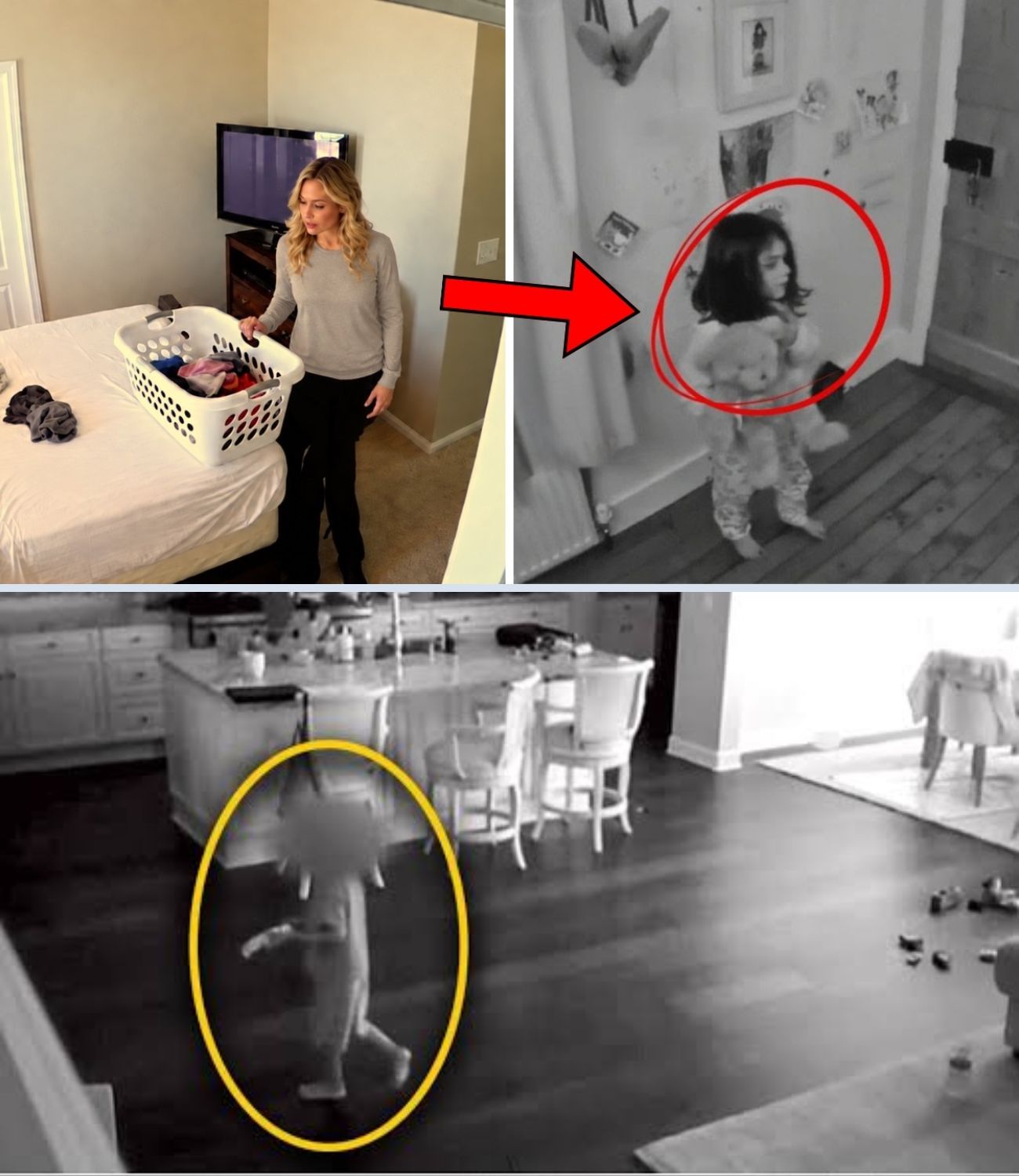
The turnover began affecting everything. Work calls were interrupted by searches for cover. The children learned new names, new voices, and new routines, only for those people to disappear again. Jennifer found herself hesitating before opening messages during the day.
By the time she interviewed Mag, the seventh sitter, she was embarrassed to explain how many people had already left. Mag listened without rushing her. She had experience caring for children of different ages and asked specific questions about the afternoons.
They agreed to speak if anything became difficult before it reached the point of another abrupt departure. Jennifer wanted to trust that agreement. She also wanted to understand what she had been missing. She installed cameras covering the living room and hallway. They would record the shared spaces where much of the afternoon routine happened.
The first recordings offered little explanation. There was Mag settling Kirk, children coming through the hallway, toys scattered across the rug. Jennifer checked brief stretches around the beginning and end of the day. The house looked much as it did when she was there.
For several days, Mag greeted her calmly at the door. Marie seemed pleased to show her mother what she had been doing. Jennifer began to feel foolish for expecting another disaster.
Then during the second week, the evening handovers became shorter. One day, Mag remained by the door after gathering her bag. She said the afternoons were becoming harder than she had expected.
Jennifer asked whether Kirk had been sleeping badly and offered to go over the routine again. Mag started to answer, then paused as the children came into the hallway. Jennifer promised they would talk properly.
There was dinner to get started, a baby reaching for her, and a school bag opened on the floor. She believed there would be time to sort it out. The resignation arrived before that conversation happened. Mag would finish the agreed handover, but she would not continue in the role.
Jennifer sat with the message open. They had discussed this. She had tried to make the job clearer and the afternoons easier. Yet the result was the same.
This time, after the children were asleep, she opened the recordings instead of another list of potential babysitters. She began with the afternoon before Mag had spoken to her at the door. At first, the video showed ordinary movement through the house. Mag carried Kirk into the living room. A school bag appeared near the sofa. Marie put a cup on the low table. Jennifer almost moved ahead.
Then Mag stopped beside the rug and said something she could not quite hear. Jennifer raised the volume and let the recording run. The request was simple. The crayons on the table needed to go back into their box before the next activity.
Marie looked up at the sitter. Her answer made Jennifer sit completely still. “You do it. My mom pays you.”
Mag calmly asked her to put away the thing she had been using. Marie pushed the box farther across the table and raised her voice. When the sitter tried to explain, the little girl spoke over her.
Jennifer watched the child she knew from bedtime conversations and school drawings dismiss another person as though her feelings did not matter. It continued after the crayons. A small request about the afternoon routine became another refusal, another demand, another comment about what the babysitter was paid to do.
Mag kept her voice controlled on the screen. She was trying to care for Kirk while bringing the conversation back to something reasonable. Jennifer went to an earlier recording than another.
The pattern was there across several afternoons. Marie challenged instructions and used the same argument to justify speaking harshly. Near the end of one recording, Jennifer heard her own arrival at the door. Marie immediately ran into the hallway to greet her.
That was the child Jennifer remembered seeing. Everything before that moment had been missing from her understanding of the day. She paused the video and covered her mouth. The tears came before she could decide what to do next.
She had spent months asking why nobody stayed. Now she was watching what one of those women had been expected to tolerate in her home. The earlier conversations returned to her differently.
The references to difficult afternoons, the pauses at the door. Lisa’s attempt to explain that the routine had become unmanageable, which Jennifer had treated as a scheduling problem. She had trusted the behavior she saw herself more than the experiences other people tried to describe.
For a while, Jennifer left the screen paused. She was angry, ashamed, and hurt. Before speaking to Marie, she needed to understand what her daughter thought those words meant.
The following day, she sat beside her and played a short part of the recording. Marie recognized the room immediately. When her own voice came through the speaker, she looked down.
Jennifer stopped the clip after the remark about money. She asked why Marie had said it. At first, the girl answered that she had not wanted to put the crayons away. Then, with more questions, the idea underneath the refusal emerged.
If her mother paid someone to help, Marie believed she could tell that person what to do. Jennifer explained that Mag’s work included caring for the children and setting reasonable limits. Being paid for that work gave nobody permission to insult her.
She asked Marie to think about how it would feel to spend an afternoon helping someone who kept speaking to her that way. The girl did not produce a perfect answer. She was six. She was also old enough to begin understanding that the person looking after her had feelings of her own.
Jennifer kept the conversation calm, but she made the consequences clear. Extra screen time and that weekend’s play date were paused. They would work on how Marie responded to instructions and how she repaired the harm caused by her words.
The conversation continued beyond that afternoon. When Marie wanted help, Jennifer asked her to try the request again respectfully. When she was frustrated, they practiced saying what was bothering her without turning it into an insult.
Jennifer also paid closer attention to her own hurried instructions and made a point of thanking the people who helped their family. She contacted Mag to apologize. She told her she had reviewed the footage and now understood what she had been trying to explain.
Jennifer accepted her decision to leave. Mag did not have to return for the apology to matter. With her mother’s help, Marie wrote a short note saying she was sorry for how she had spoken. Jennifer made sure it named the behavior rather than simply promising to be good.
Change came unevenly. Some afternoons went well. On others, Marie still started with a sharp answer and had to stop and try again. Jennifer stayed involved.
During the gap before another sitter started, she arranged temporary help and adjusted her work hours where she could. She wanted the next person to arrive in a household where concerns would be heard.
When she eventually hired someone new, she explained the difficulty honestly. They agreed on clear routines and regular conversations about how the days were going. The first week passed, then another.
There were still reminders to give and toys to put away, but the conversations at the door began to include ordinary progress instead of strained silence. The sitter stayed.
One evening, Jennifer arrived while Marie was finishing a drawing at the same low table she remembered from the recording. Kirk needed the sitter’s attention. A box of crayons lay open beside Marie’s paper.
Jennifer stood in the hallway as the sitter asked her daughter to clear the table. Marie began reaching for another color, then stopped. She gathered the crayons, closed the box, and moved her drawing out of the way.
Before leaving the room, she thanked the sitter for helping her with it. Only then did she notice her mother in the doorway.
Jennifer had once installed a camera to find out what happened when she was absent. Now she had seen the moment she had been hoping for. Her daughter showing kindness before she knew her mother was watching.
You Might Also Enjoy



She Gave a Hungry Little Girl a Free Birthday Cake — The Next Morning, a Black Rolls-Royce Arrived

The Billionaire Disguised His Mother to Test His Fiancée — Only One Waitress Showed Her Kindness