What Argentine Soldiers Said After One Night Against British Paras At Goose Green
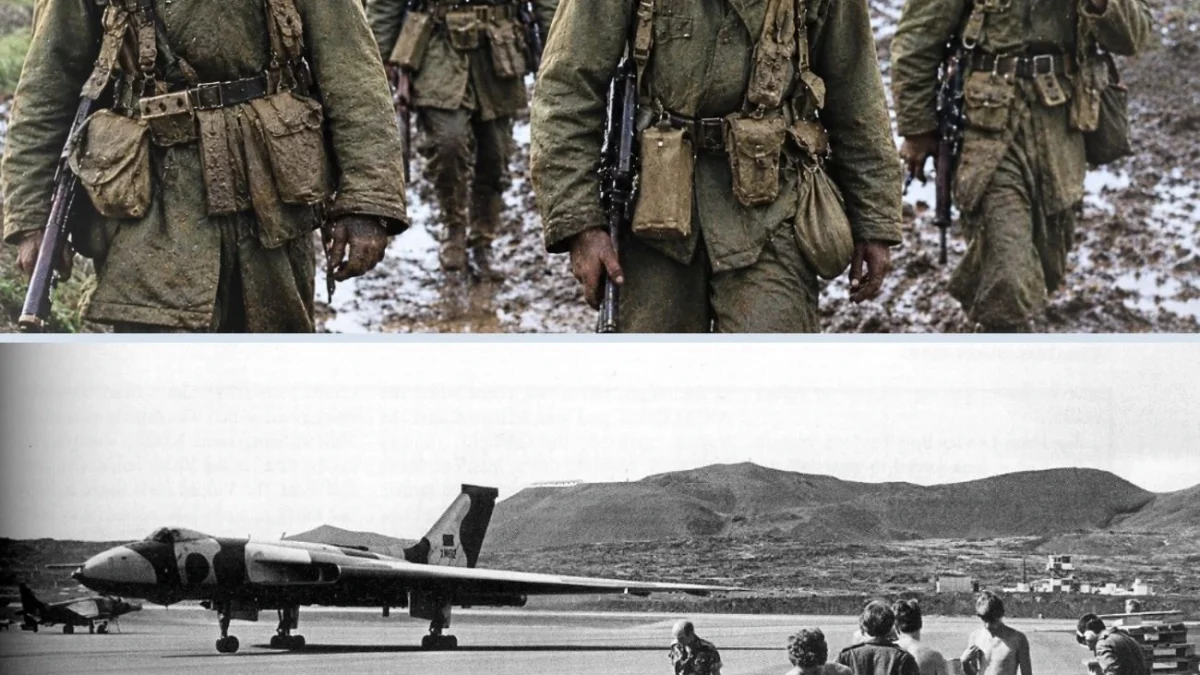
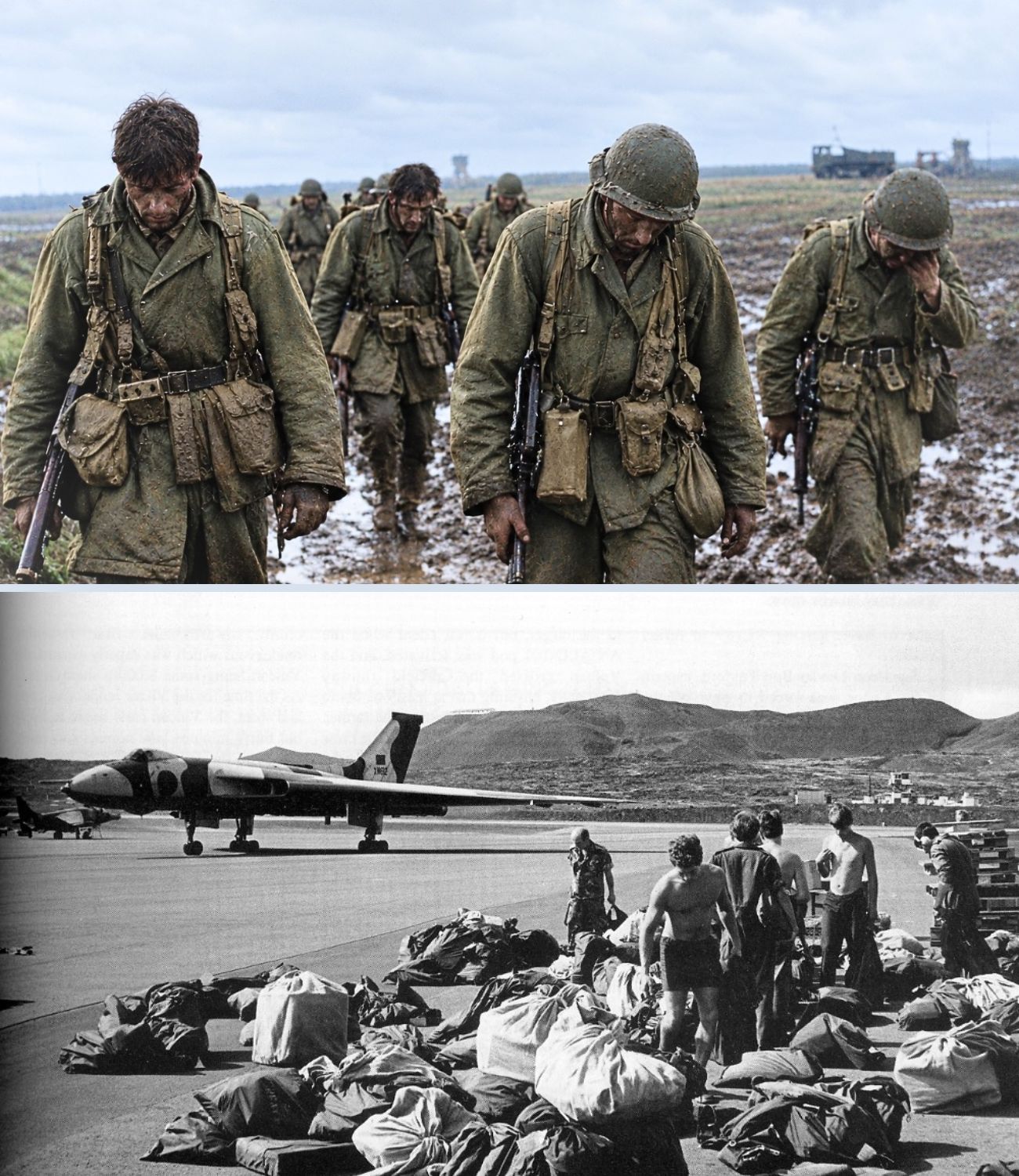
On the night of May 28th, 1982, 600 British Paras charged across a frozen bog in the Falkland Islands straight into a thousand dug-in Argentine soldiers. And what the Argentines said the next morning would haunt them for the rest of their lives. How could a force half their size, attacking in pitch darkness across open ground, break an entire regiment in a single night? May 1982.
That is when everything changed. This is the story of what Argentine soldiers said after one night against British Paras at Goose Green. You clicked on this because you want to know what happened that night, and you will. But first, you need to understand how those young men got there and what they were told before the real fighting started.
The war was brand new. Argentina had taken the Falkland Islands on April 2nd, 1982. The Falkland Islands are a small group of islands far out in the South Atlantic Ocean. They are about 8,000 miles away from Britain. The people who live there are mostly sheep farmers. They speak English.
They think of themselves as British, but Argentina says the islands belong to them. They call the islands the Malvinas. The military leaders of Argentina, called the junta, wanted to take the islands to make the people at home happy. Argentina was having big problems with money and jobs. The leaders thought a quick win would fix everything.
The soldiers they sent were not ready. Most of them were very young. Many were only 18 or 19 years old. They were called conscripts. That means they did not choose to be soldiers. The government told them they had to serve. A lot of them came from a place called Corrientes. Corrientes is in the north of Argentina. It is hot and green there.
The young men grew up in warm weather. They had never seen cold like the Falklands. They were part of the 12th Infantry Regiment. Their leader was a man named Lieutenant Colonel Italo Piaggi. He had about 1,000 men under his command. They were sent to a place called Goose Green. Goose Green is a tiny settlement on East Falkland. It sits on a thin piece of land between two bodies of water.
The ground is flat and wet. There are no trees. The wind blows hard all the time. The ground is made of peat, which is a type of dark, soggy soil. When you walk on it, water squelches up around your boots. The officers told the young soldiers that the British would not come. They said Britain was too far away. They said the British government would just talk and argue, but would not send an army.
The soldiers were told they would be home in a few weeks. They were told this would be easy. Some of them believed it. They thought they would just stand around and guard some sheep farms and then go home to their families. But the reality was very different from what they were told. The cold hit them first.
The temperature dropped below freezing at night. The wind came off the ocean and cut right through their clothes. Their uniforms were made for warm weather. They did not have thick coats. They did not have warm gloves. Many of their boots had holes in them. Water got in and stayed in. Their feet were wet all day and all night.
Some of their feet started to turn black from the cold. This is called trench foot and it is very painful. The food was bad. They ate cold tinned meat and hard biscuits. There was not enough to go around. The supply ships from Argentina had a hard time getting through because British submarines were in the water.
The soldiers were hungry most of the time. They huddled together in shallow holes they had dug in the wet ground. The holes filled with water. They slept in the water. They woke up shaking. The sky was almost always gray. The sun rarely came out. The wind never stopped. The smell of wet peat was everywhere. It smells like old damp earth.
Sometimes they could smell the salt from the ocean. The only sound was the wind and the sheep. The Falkland Islands have hundreds of thousands of sheep. The sheep would bleat in the distance. It was a lonely sound. The local people, the islanders, did not welcome them. The islanders were British. They did not want Argentine soldiers on their land.
They watched the soldiers with cold, hard stares. They did not smile. They did not wave. They stayed in their houses and locked their doors. The young Argentine soldiers could feel the anger. They knew they were not wanted. Some of the soldiers felt bad about it. They did not ask to be there either. Then things started to change.
On May 1st, British planes began to attack. Harrier jets flew low over the islands. They dropped bombs. The sound was terrifying. The young conscripts had never heard anything like it. The ground shook, the sky filled with smoke. A few days later, British ships started firing their big guns at Argentine positions along the coast. The shells were huge.
They landed with a massive boom that you could feel in your chest. On May 21st, the British landed a large force at a place called San Carlos Water. This was on the other side of East Falkland, about 40 miles north of Goose Green. The soldiers at Goose Green heard about it on the radio. The British were here.
The British had come 8,000 miles to fight. Everything the officers had told them was wrong. The mood in the trenches changed fast. The young soldiers were scared. They looked at each other and saw fear in their friends’ eyes. They checked their rifles. Many of them had barely practiced shooting. Some had fired their weapons only a few times in training.
They were not ready for a real battle. But the battle was coming to them. The first real crack in their world came on the night of May 27th. A patrol came back and said they had seen movement to the north. British soldiers were getting closer. The officers tried to stay calm. They told the men to hold their positions.
They said their defenses were strong. They had about 1,000 men. They had heavy machine guns. They had big 20mm anti-aircraft guns that they had pointed at the ground to use against infantry. They had artillery. On paper, they were in a good spot, but the young conscripts did not feel safe. They sat in their wet trenches and listened to the wind.
The darkness was total. There were no street lights, no houses with lights on, nothing, just black sky and black ground and the sound of the ocean. Somewhere out there in that darkness, the British Paras were coming. And the young Argentine soldiers knew deep down that nothing they had been told was true. The British had come.
The war was real, and the long, cold night was about to begin. The days before the battle were the hardest to sit through. The waiting was worse than anything the young Argentine soldiers had done before. They were dug in around Goose Green and the small village of Darwin, just to the north. They had spent weeks digging trenches and setting up machine gun posts.
They had barbed wire in front of their positions. They had mines buried in the ground. Their officers told them the defenses were strong. They said no enemy could break through, but the truth was much harder to face. The 12th Infantry Regiment had about 1,000 men on paper. In reality, many of them were not fit to fight. They were weak from hunger.
They were sick from the cold. Their feet were rotting in their wet boots. Some could barely walk. The cold in the Falklands in late May is bitter. The temperature at night dropped well below zero. The windchill made it feel even colder. The young men from Corrientes had grown up in temperatures above 30 degrees.
Now they were shivering in a frozen bog at the bottom of the world. The gap between what the officers said and what the soldiers felt grew wider every day. The officers held briefings in their command posts. They pointed at maps. They said the British would attack from the sea. They said the Royal Navy would try to land troops on the beaches near Goose Green.
They said the Argentine guns would sink the landing boats before they reached the shore. The officers sounded confident. They used big words and drew arrows on their maps. The conscripts in the trenches knew better. They could hear the British Harriers screaming overhead every day. The jets flew so low that the soldiers could see the pilots’ helmets.
The Harriers dropped bombs on Argentine positions across the islands. The explosions were close enough to shake the ground under their feet. The soldiers also heard the deep rolling thunder of naval gunfire. British warships were sitting offshore and firing their big guns at anything that moved.
The shells landed with a terrible crash. Dirt and rocks flew into the air. Men screamed. The officers’ maps and arrows did not seem to matter much when the sky was falling on your head. The local islanders made the situation even harder. The Falkland Islanders were mostly of British descent. They had lived on these islands for generations. They raised sheep and lived quiet lives.
Now their homes were surrounded by foreign soldiers. The islanders did not help the Argentines. They did not share food. They did not offer shelter. They watched with cold, angry eyes. One young conscript tried to speak to an old islander woman near Darwin. He pointed to his empty tin and made a gesture for food.
The woman looked at him for a long moment and then turned her back and walked inside her house. She closed the door. The soldier stood there in the cold wind holding his empty tin and felt a deep sadness he could not explain. He was 19 years old. He missed his mother. He did not want to be here. The weather got worse as the days passed.
Rain fell sideways, driven by the wind. The trenches filled with water up to the soldiers’ knees. They bailed the water out with their helmets, but it came right back. At night, the rain turned to sleet and then to snow. Frost formed on their rifles. The metal was so cold it burned their hands. They wrapped rags around the barrels to keep them from freezing shut.
Sleep was almost impossible. They lay in the wet ground and shook. Their teeth chattered. They prayed for morning, but morning brought only more gray sky and more cold wind. Then the rumors started. Word came down the line that the British Paras were moving south from San Carlos. The second battalion, the Parachute Regiment.
Everyone called them 2 Para. There were about 600 of them. Their commander was a man named Lieutenant Colonel H. Jones. The Paras had a reputation. They were known as the toughest soldiers in the British army. They trained harder than anyone else. They were famous for their aggression and their refusal to give up.
The Argentine officers told the conscripts not to worry. They said the Paras were just regular soldiers. They said the Argentine defenses would hold. But the conscripts had heard stories. Some of the older soldiers, the ones who had served longer, spoke in low voices about what the Paras could do. They said the Paras liked to fight at night.
They said the Paras would charge straight at machine guns without stopping. They said the Paras used bayonets. The young conscripts from Corrientes had never used a bayonet in their lives. Most of them had barely learned how to clean their rifles. The idea of fighting men who would run at them with knives fixed to their guns in the pitch dark was terrifying. The days blurred together.
May 25th came and went. May 26th. May 27th. The British were getting closer. Patrols sent out to the north came back with bad news. They had seen British soldiers on the ridges. They had heard voices in the dark. The British were out there watching, waiting. The Argentine soldiers could feel the pressure building like a storm about to break.
On the evening of May 28th, the wind dropped. The sky cleared a little. The stars came out. It was very cold, colder than usual. The ground was hard with frost. The soldiers in the trenches pulled their thin blankets around them and tried to stay warm. They ate the last of their cold rations. They checked their weapons.
They loaded their magazines. They waited. The silence was the worst part. The Falklands are one of the quietest places on Earth. There are no cars, no machines, no cities. At night, the only sounds are the wind and the sea. But on this night, even the wind seemed to hold its breath. The sheep were quiet. The ocean was calm. The darkness was total.
The young Argentine soldiers sat in their frozen holes and stared out into the black. Nothing. They knew something was coming. They could feel it in their bones. The officers had stopped giving speeches. The maps had been put away. Everyone knew that the time for talking was over. Somewhere to the north, 600 British Paras were moving through the dark.
They were walking across the frozen peat bog in single file. They were cold and wet and tired, but they were coming. They had a job to do, and they meant to do it. The distance between the two armies was shrinking with every step. The young Argentine conscripts did not know exactly when the attack would come.
They did not know how hard it would hit. All they knew was that the long, quiet night was almost over, and the noise that was about to replace it would be something they would never forget. The attack came at 2:00 in the morning. The date was May 28th, 1982. The sky was black, the wind was cold, the ground was frozen hard.
The young Argentine soldiers in their trenches around Goose Green heard the first sound and knew their lives were about to change forever. It started with a massive roar. British warships offshore opened fire with their big naval guns. The shells came screaming out of the dark sky and slammed into the Argentine positions.
The explosions were enormous. Each one lit up the night like a flash of daylight. Dirt, rocks, and pieces of barbed wire flew through the air. The ground shook so hard that men were thrown off their feet. The noise was so loud it hurt their ears. Some of the conscripts covered their heads with their arms and curled up at the bottom of their trenches.
They had never experienced anything like this. The bombardment lasted for what felt like hours, but was really only minutes. Then the naval guns stopped and something even worse began. The British Paras started their assault. They came out of the darkness to the north, moving fast across the open ground. There were about 600 of them from 2 Para.
They were spread out in a long line and they were firing as they moved. The sound of their rifles and machine guns filled the air. Tracer rounds streaked across the dark sky like red and green fire. The Paras shouted to each other as they advanced. Their voices carried across the frozen bog. They sounded angry and determined.
The Argentine soldiers fired back. Their heavy machine guns opened up, sending streams of bullets into the night. The big 20mm anti-aircraft guns, which had been pointed down at the ground, started firing, too. These guns were devastating. They fired explosive shells that could tear a man apart. The 20mm guns hit the Paras hard.
British soldiers fell in the dark. The advance slowed. For a moment, it seemed like the Argentine defenses might hold, but the Paras did not stop. They did not pull back. They did not wait for morning. They kept coming. This was the thing that shocked the Argentine soldiers the most.
In their training, they had been taught that an enemy would stop when they took heavy fire. They had been told that soldiers would take cover and wait for support. But the Paras did none of those things. They ran forward into the gunfire. They threw grenades. They fired from the hip. They charged straight at the Argentine machine gun posts.
The fighting became very close and very personal. The Paras closed the distance to less than 50 meters, then less than 30 meters, then less than 20. In the dark, the Argentine conscripts could see the muzzle flashes from the British rifles lighting up the faces of the men attacking them. They could hear the Paras shouting orders and battle cries.
They could hear the dull thud of grenades landing in their trenches. The explosions were so close that dirt and debris rained down on their helmets. One of the most intense moments came when the British commander, Lieutenant Colonel H. Jones, led a charge against a key Argentine machine gun position. Jones was a brave and aggressive officer.
He saw that his men were being held up by a heavy machine gun on a small ridge. He grabbed his submachine gun and ran straight at the position. He was hit and killed almost immediately. He died in the mud on that frozen hill. He was later awarded the Victoria Cross, the highest medal for bravery in the British military.
But his death did not slow the Paras down. Major Chris Keeble took command and pushed the attack forward with even more force. The Paras overran the Argentine positions one by one. They used bayonets in the dark. They cleared trenches with grenades. They fought hand-to-hand in the mud and the cold. The Argentine conscripts were overwhelmed.
Many of them had never been in a real fight before. They were 18 and 19 years old. They were freezing, hungry, and terrified. Their training had not prepared them for this level of violence and aggression. As the hours passed, the Argentine line began to break. The Paras pushed through the outer defenses and moved closer to Goose Green itself.
The sky started to lighten in the east. Dawn was coming. In the gray morning light, the Argentine soldiers could see the full picture for the first time. The Paras were everywhere. They had surrounded the settlement. They were on the ridges to the north and east. British Harrier jets appeared overhead and attacked the remaining Argentine positions.
The noise was constant and deafening. Inside the Argentine command post, Lieutenant Colonel Piaggi faced a terrible choice. His men were running out of ammunition. Many of his positions had been destroyed. His soldiers were scattered and confused. Some were hiding in buildings. Some were lying in the mud, too scared to move.
Some were crying. Piaggi knew that if he kept fighting, more of his young conscripts would die. He made the decision to surrender. On the morning of May 29th, white flags appeared over Goose Green. The fighting stopped. The silence that followed was almost as shocking as the noise had been. The young Argentine soldiers came out of their trenches and their holes.
They raised their hands. They walked toward the British lines. Their faces were gray with cold and exhaustion. Many of them were crying. Some were shaking so hard they could barely walk. What they said in the hours and days that followed has been recorded by historians and journalists over the years. The words they used were raw and honest.
“We thought they would stop when we fired at them. They never stopped. They just kept coming.”
“They came at us like they did not care if they lived or died. We had never seen anything like it.”
“They are devils in the dark. I could hear them breathing as they closed in on my trench. The sound of their boots on the frozen ground was the scariest thing I had ever heard.”
Many of the Argentine soldiers spoke about the night itself. They said the darkness made everything worse. They could not see where the attacks were coming from. They could hear the Paras all around them but could not aim their weapons properly.
The muzzle flashes blinded them. The noise confused them. They felt surrounded even when they were not. The fear was total and complete. Some of the conscripts expressed a strange kind of respect for the Paras. They said they had been told the British soldiers were soft and lazy. They had been told the British would not fight hard for a few rocky islands.
But the men who attacked them that night were not soft. They were fierce, brave, and relentless.
“I was angry at my officers for lying to us. They told us the British would not come. They told us it would be easy, but the men who came at us that night were the bravest soldiers I have ever seen.”
The battle of Goose Green was over. In one night, 600 British Paras had defeated a force almost twice their size. The cost was high on both sides. 15 British soldiers died, including Lieutenant Colonel Jones. 47 Argentine soldiers were killed. Over a thousand Argentine troops became prisoners of war.
The young conscripts from Corrientes sat in the cold mud and stared at the ground. They were alive, but they were changed forever. The war they had been told about was not the war they had fought. The night they had just survived would stay with them for the rest of their lives.
You Might Also Enjoy


Mom Installed a Camera To Discover Why Babysitters Keep Quitting But What She Broke Her Heart


She Gave a Hungry Little Girl a Free Birthday Cake — The Next Morning, a Black Rolls-Royce Arrived




