EXCLUSIVE: The Balmoral Ultimatum — William and Catherine’s Secret pact Shocks King Charles as Royal Crisis Reaches Boiling Pointf
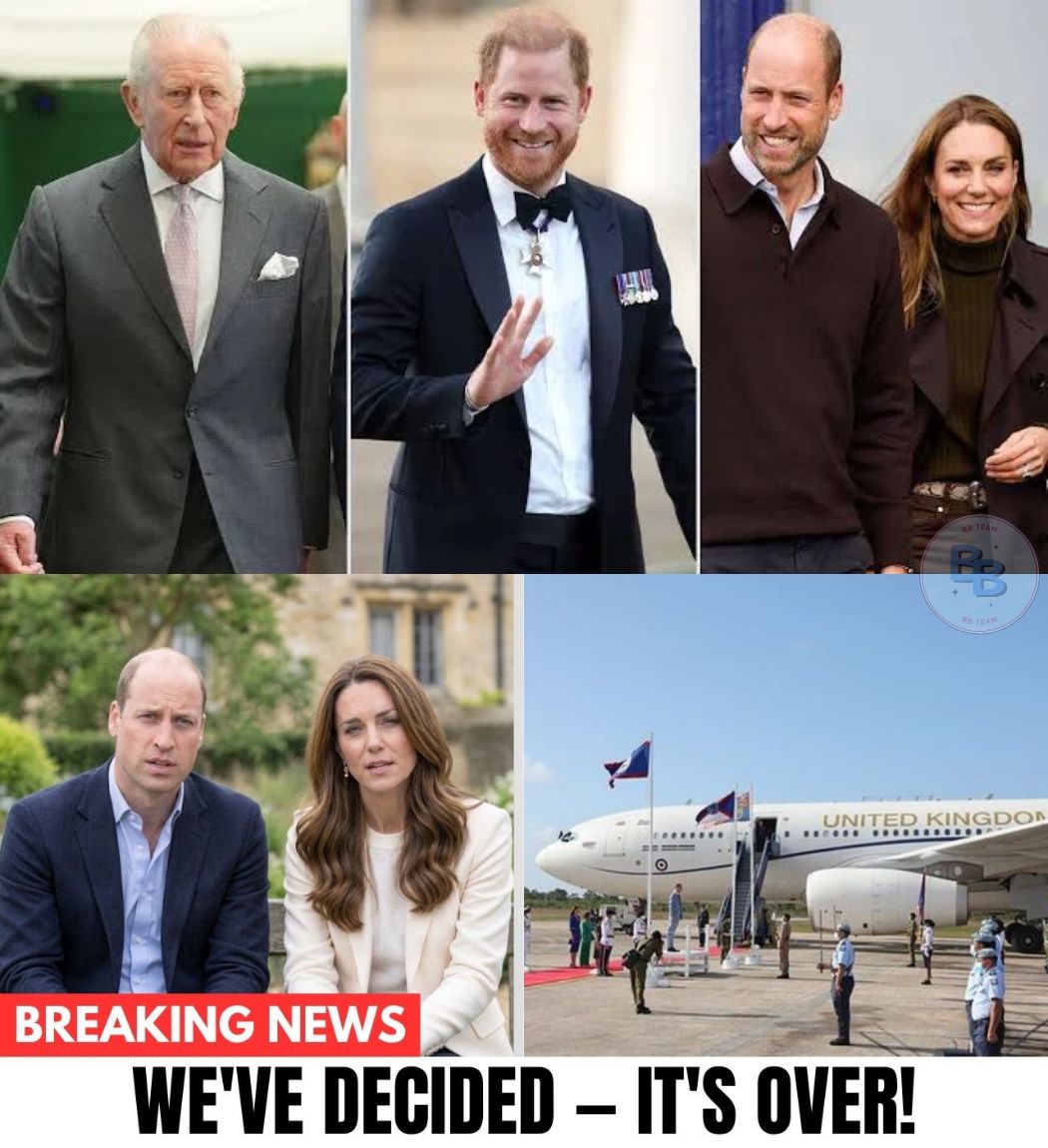
EXCLUSIVE: The Balmoral Ultimatum — William and Catherine’s Secret pact Shocks King Charles as Royal Crisis Reaches Boiling Point
The solemn mist rolling off the Scottish Highlands usually brings a sense of tranquil seclusion to Balmoral Castle, the royal family’s cherished sanctuary. For centuries, it has served as the place where British monarchs escape the suffocating scrutiny of public life, seek solace, and hold private family summits away from the flashing cameras of the global press. However, behind the grand granite walls and towering turreted facades, Balmoral recently became the battleground for the most explosive power struggle the House of Windsor has witnessed in modern history.
Prince William and Catherine, the Princess of Wales, have officially returned to Windsor following an extended stay in Scotland. But they did not return empty-handed. According to multiple high-level royal insiders, senior courtiers, and palace aides who spoke on the strict condition of anonymity, the Prince and Princess of Wales presented King Charles III with a sweeping, uncompromising blueprint for the future of the monarchy—a major decision so profound and unexpected that it reportedly left the reigning sovereign completely stunned, speechless, and deeply conflicted.
The atmosphere inside the estate during the final days of their visit was described as electric with tension. What was supposed to be a routine family gathering to reflect on state duties, upcoming international tours, and royal health updates quickly spiraled into a high-stakes showdown that could redefine the British Crown for generations to come.
The Hidden Rift Behind Palace Walls
To the outside world, the royal family has sought to project an image of unity, resilience, and quiet dignity, particularly amidst a challenging year marked by serious health battles and shifting public expectations. Yet, beneath this carefully curated exterior, fundamental differences regarding the vision, structure, and moral direction of the firm have been simmering for months.
Prince William, now first in line to the throne, has grown increasingly firm about the necessity of modernization. Having watched the institution navigate decades of scandal, controversy, and institutional rigidity, William—supported implicitly by Catherine—believes that the traditional framework of the monarchy is no longer sustainable in a rapidly changing 21st-century world.
“William is not content to simply wait in the wings and inherit a system that he feels is outdated,” revealed a senior royal source close to the Household of the Prince and Princess of Wales. “He sees the throne not merely as a birthright of duty, but as a dynamic platform that requires immediate, radical restructuring. Catherine shares this vision entirely. During their time in Scotland, they decided that the time for quiet conversations was over. They needed to set definitive boundaries and demand structural change, not just for their own sanity and family life, but for the very survival of the Crown.”
The tension reached a climax during a private dinner held in the private quarters of Balmoral. Away from the ears of lower-ranking staff, William and Catherine presented King Charles with what one palace insider described as “The Balmoral Mandate”—a formal list of non-negotiable terms regarding the division of royal labor, public representation, media management, and the internal governance of the Royal Estate.
The Confrontation That Shook the Monarchy
The private meeting, which stretched late into the night, reportedly began as a calm discussion about upcoming autumn engagements but swiftly devolved into an intense debate over authority and legacy. At the core of William and Catherine’s decision is a complete refusal to continue operating under the traditional rules of royal engagement that have governed Buckingham Palace for decades.
According to sources close to the situation, Prince William delivered a sharp, unambiguous message to his father: the era of sprawling, obligation-heavy royal schedules, public compromises at the expense of private well-being, and toxic palace politics must come to an immediate end.
Catherine, whose grace and quiet fortitude have earned her immense respect both within the palace and across the globe, stood shoulder-to-shoulder with her husband. Insiders report that Catherine spoke with extraordinary clarity and emotional force, emphasizing that their three children—Prince George, Princess Charlotte, and Prince Louis—must be protected at all costs from the emotional pressures that plagued previous generations of royals.
“Catherine made it undeniably clear that her family’s health, privacy, and long-term stability come before tradition,” said a long-serving courtier with knowledge of the exchange. “She refused to allow their lives to be dictated by ancient protocols or internal palace rivalries. When she laid out their decision, you could have heard a pin drop in the room. The King was visibly taken aback. He has dedicated his entire life to duty and traditional royal structure, so hearing his heir demand such a drastic departure was a profound shock.”
The Major Decision: A Redefined Royal Blueprint
While Buckingham Palace officials have rushed to downplay rumors of a rift, details regarding the specific demands made by William and Catherine have begun to leak through the tight-lipped inner circles of royal society. The decision made by the couple centers on three revolutionary pillars:
First, a complete restructuring of the active working royal list. William and Catherine have declared that they will no longer participate in low-impact, traditional ceremonial duties that do not align with their core philanthropic missions. Instead, they intend to concentrate their energy exclusively on high-impact global initiatives, such as mental health advocacy, environmental sustainability through the Earthshot Prize, and early childhood development. This means a sharp reduction in traditional ribbon-cutting ceremonies, an action that challenges centuries of royal precedent.
Second, an absolute overhaul of palace communications and media access. Frustrated by years of leaks from within competing royal households, William and Catherine have demanded total independence over their personal brand, public statements, and digital strategy. They have made it clear that they will no longer tolerate the “palace briefing games” that have historically pitted different factions of the royal family against one another.
Third, and perhaps most drastically, an uncompromising shield surrounding their domestic life at Adelaide Cottage. William and Catherine have dictated that their family life will take total priority over state visits and secondary royal obligations until Prince George reaches adulthood. They have asserted full veto power over their schedule, effectively signaling to the King and his advisers that the crown must adapt to their schedule, rather than the other way around.
Charles Left Stunned: The Sovereign’s Dilemma
For King Charles III, the ultimatum presented by his eldest son and daughter-in-law presents a heartbreaking and terrifying dilemma. Having waited nearly seven decades to accede to the throne, Charles has worked tirelessly to maintain the continuity of his late mother, Queen Elizabeth II, while attempting to execute his own vision of a streamlined monarchy.
However, the speed and assertiveness with which William and Catherine are pushing their vision has caught the King completely off guard. Sources inside Clarence House suggest that while Charles deeply respects his son’s determination and Catherine’s strength, he deeply fears the consequences of dismantling centuries-old traditions too quickly.
“The King was stunned because he views duty as an absolute, unconditional sacrifice,” explained a royal biographer. “For Charles, duty means showing up everywhere, answering every call, and maintaining every tradition passed down through history. William and Catherine are offering a fundamentally different paradigm—one that prioritizes strategic impact and personal sustainability over sheer presence. Charles feels caught between the ancient obligations of his crown and the unyielding demands of the future king.”
Reports indicate that the conversation at Balmoral became so heated that King Charles briefly retired to his private study to confer with his most trusted advisers before returning to face William and Catherine. The monarch was forced to confront a brutal truth: without William and Catherine, who represent the overwhelming majority of public goodwill toward the monarchy worldwide, the institution cannot survive.
Emergency Meetings at Buckingham Palace
Upon William and Catherine’s swift departure from Scotland back to their home in Windsor, the atmosphere within the royal households reached a point of high crisis. Emergency conference calls were reportedly held between key advisers from Clarence House, Kensington Palace, and Buckingham Palace to manage the fallout and craft a strategy moving forward.
The immediate concern among senior palace officials is the perception of disunity during a delicate geopolitical and economic time for the United Kingdom. Courtiers are terrified that if the public senses a division between the King and the heir, it could embolden anti-monarchy movements and destabilize public support for the institution as a whole.
“There is an intense, almost chaotic effort happening behind closed doors to bridge this divide,” said a former communications officer for the Royal Household. “Advisers are scrambling to create a compromise that allows King Charles to save face while giving William and Catherine the autonomy they are demanding. But make no mistake about it—William held all the cards at Balmoral, and he used them with ruthless precision.”
The Public Backlash and Global Fascination
News of the dramatic Scottish retreat has sent shockwaves through royal watching communities across the globe. Experts and analysts are divided over whether William and Catherine’s bold stand is a brilliant stroke of modern leadership or a dangerous gamble that risks alienating traditionalists who view the monarchy as an unwavering pillar of history.
Critics argue that by demanding reduced schedules and absolute control, the Prince and Princess of Wales risk appearing out of touch or unwilling to bear the full weight of royal sacrifice. On the other hand, supporters view their decision as a courageous and long-overdue stand against an archaic system that has emotionally broken royal figures in the past.
“What William and Catherine are doing is unprecedented, but it is necessary,” remarked a prominent cultural commentator. “They saw what happened to previous generations—the divorces, the psychological toll, the relentless media circus. They are refusing to let history repeat itself. By standing up to the King and demanding a modern framework, they are protecting their marriage, their children, and ultimately the longevity of the British monarchy.”
A New Era or an Unraveling Crown?
As the royal family prepares for an intense autumn filled with state visits and public appearances, all eyes will be glued to every glance, gesture, and interaction between King Charles, Prince William, and Catherine. The public façade will undoubtedly remain polished, but the dynamic within the House of Windsor has been fundamentally altered.
Prince William and Catherine have returned from Scotland with their heads held high, having made their position unequivocally clear. They are no longer willing to be passive participants in an ancient machine. They have asserted their power, drawn their line in the sand, and forced the monarch to make a devastating choice: adapt to the new reality or watch the future of the Crown walk away.
Whether King Charles III can reconcile his deep-seated reverence for traditional duty with his son’s revolutionary vision remains the ultimate question. What is certain is that the showdown at Balmoral marks the end of the monarchy as we once knew it—and the dawn of an uncertain, volatile, and deeply dramatic new era for the British Royal Family.