What Argentine Soldiers Said After One Night Against British Paras At Goose Green
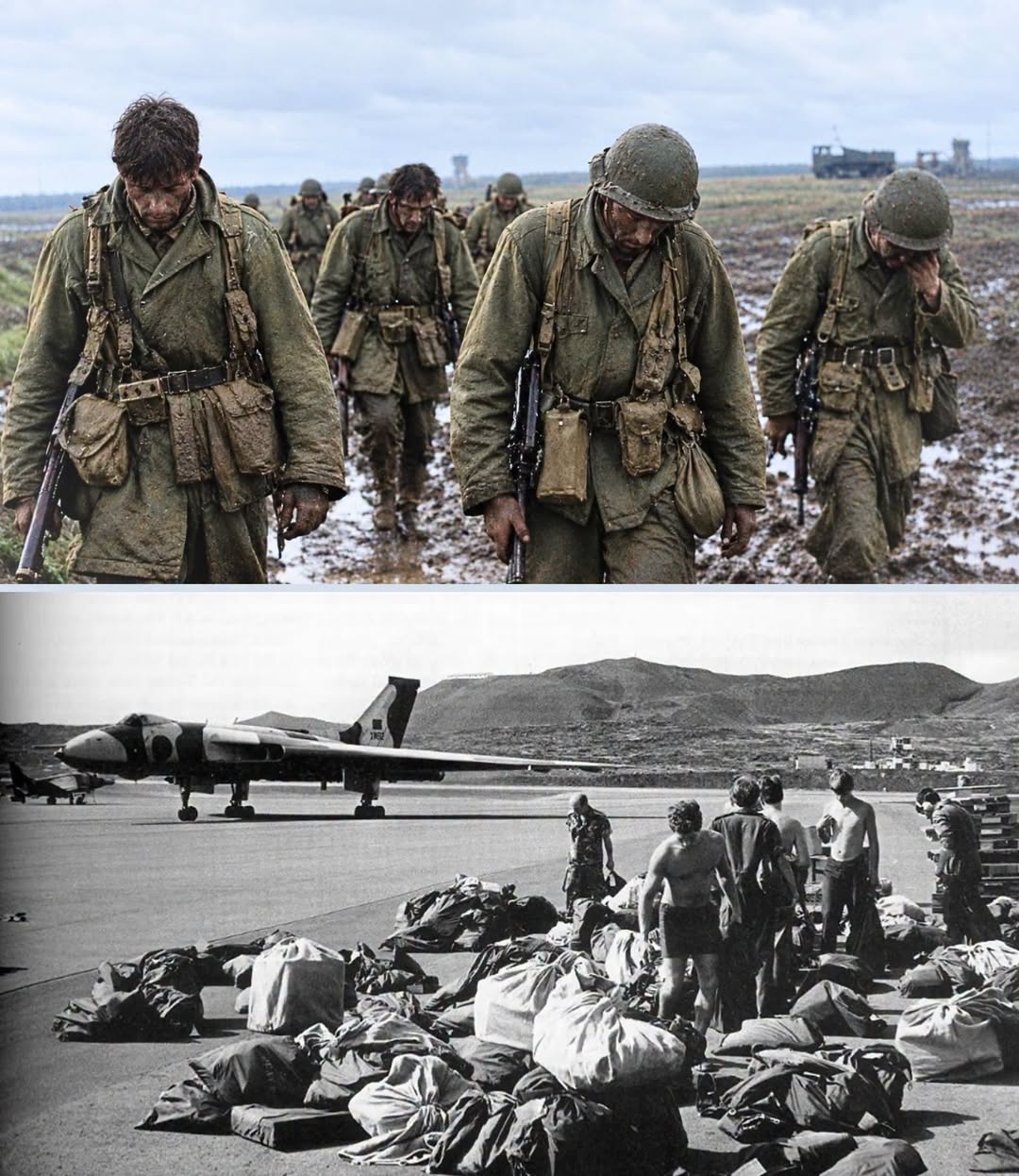
What Argentine Soldiers Said After One Night Against British Paras At Goose Green
On the night of May 28, 1982, 600 British paratroopers charged across frozen marshland in the Falkland Islands directly into a thousand Argentine soldiers entrenched in defense, and what the Argentines said the next morning would haunt them for the rest of their lives. How could a force half their size, attacking in complete darkness across open terrain, defeat an entire regiment in one night? May 1982.
That’s when everything changed. This is the story of what Argentine soldiers said after a night of confrontation with British paratroopers at Goose Green. You clicked on this video because you want to know what happened that night, and you will find out. But first, we need to understand how these young people got there and what they were told before the real fighting began.
War was completely new. Argentina seized the Falkland Islands on April 2, 1982. The Falkland Islands are a small group of islands far in the southern Atlantic Ocean. They are about 8,000 miles from Britain. The people who live there are mostly shepherds. They speak English. They consider themselves British. But Argentina says the islands belong to them.
They call the Malvinas Islands. Argentina’s military leaders, the so-called junta, wanted to seize the islands to please the people at home. Argentina had big problems with money and jobs. The leaders believed that a quick victory would fix everything. The soldiers they sent were not ready. Most of them were very young.
Many were only 18 or 19 years old. They were called conscripts. This means they did not choose to be soldiers. The government told them they had to serve. Many of them were originally from a place called Corrientes. Corrientes is located in northern Argentina. It’s hot and green there . These young people grew up in warm weather.
They had never seen such cold as in the Falklands. They were part of the 12th Infantry Regiment. Their leader was a man named Lieutenant Colonel Italo Piaggio. There were about 1,000 people under his command. They were sent to a place called Goose Green. Goose Green is a tiny settlement in East Falkland. It lies on a narrow strip of land between two bodies of water.
The land here is flat and moist. There are no trees here. The wind blows strongly all the time. The soil is composed of peat, which is a type of dark, swampy soil. When you walk on it, water splashes around your boots. The officers told the young soldiers that the British would not come. They said Britain was too far away.
They claimed that the British government would only talk and argue, but would not send an army. The soldiers were told they would return home in a few weeks. They were told it would be easy. Some of them believed it. They thought they would just stand and guard the sheep farms and then return to their families. But the reality was not at all what they were promised.
The first thing that hit them was the cold. At night the temperature dropped below zero. The wind from the ocean pierced their clothes through and through. Their uniform was designed for warm weather. They had no warm overcoats. They did n’t have warm gloves. Many had leaky shoes. Water got in and wouldn’t come out. Their feet were wet all day and all night.
Some people’s feet started to turn black because of the cold. This is called “trench foot,” and it is very painful. The food was bad. They ate cold canned meat and crackers. There was n’t enough food for everyone . Supply ships from Argentina had difficulty breaking through because there were British submarines at sea. The soldiers were hungry almost all the time.
They huddled together in shallow holes dug in the damp earth. The pits were filled with water. They slept in the water. They woke up shaking. The sky was almost always gray. The sun rarely appeared. The wind never subsided. The smell of wet peat was everywhere. It smells like old damp earth. Sometimes they could smell the salt from the ocean.
The only sounds were the wind and the sheep. There are hundreds of thousands of sheep in the Falkland Islands. Sheep bleated in the distance. It was a lonely sound. The locals, the islanders, did not welcome them. The islanders were British. They did not want to see Argentine soldiers on their land.
They looked at the soldiers with cold, stern eyes. They didn’t smile. They didn’t wave them away. They sat at home and locked the door. Young Argentine soldiers felt this hostility. They knew they were not welcome here. Some soldiers were embarrassed by this. They didn’t ask to be sent here either. Then everything started to change.
On May 1, British aircraft began their attack. Harrier fighters flew low over the islands. They were dropping bombs. The sound was terrible. The young conscripts had never heard anything like it . The earth trembled. The sky filled with smoke. A few days later, British ships began shelling Argentine positions along the coast with their guns.
The shells were huge. They fell with a powerful roar that could be felt right in the chest. On May 21, the British landed a large force at a place called San Carlos Water. This was on the other side of East Falkland, about 40 miles north of Goose Green. The soldiers at Goose Green heard about it on the radio.
The British were here. The British traveled 8,000 miles to fight. Everything the officers told them was false. The mood in the trenches changed quickly. The young soldiers were scared. They looked at each other and saw fear in their friends’ eyes. They were checking their rifles. Many of them barely learned to shoot.
Some had only fired their weapons a few times during training. They were not ready for a real battle, but the battle was coming towards them. The first real crack in their world appeared on the night of May 27. The patrol returned and reported seeing movement to the north. The British soldiers were approaching.
The officers tried to remain calm. They ordered the soldiers to hold their positions. They said their defense was strong . They had about 1,000 soldiers. They had heavy machine guns. They had large 20mm anti-aircraft guns that they aimed at the ground against the infantry. They had artillery. On paper, they were in a good position, but the young recruits did not feel safe.
They sat in their wet trenches and listened to the wind. The darkness was complete. There were no streetlights, no houses with lights, nothing. Only black sky, black earth and the sound of the ocean. Somewhere out there, in that darkness, British paratroopers were approaching. And the young Argentine soldiers knew deep down that everything they were told was untrue.
The British have arrived. The war had become a reality, and the long cold night was about to begin. The days before the battle were the hardest to wait for. The wait was worse than anything the young Argentine soldiers had ever done before. They dug in around Goose Green and the small village of Darwin to the north.
They spent weeks digging trenches and setting up machine gun nests. There was barbed wire in front of their positions. There were mines buried in the ground. Their officers told them the defenses were strong. They assured that no enemy would be able to break through. But the truth was much harder to accept. The 12th Infantry Regiment had about 1,000 men on paper.
In fact, many of them were incapable of fighting. They were weak from hunger. They were sick from the cold. Their feet rotted in their wet shoes. Some could barely walk. It’s cold in the Falklands from late May to February. The temperature at night dropped well below zero. The wind made the cold seem even stronger.
The young men from Corrientes grew up in temperatures above 30 degrees. Now they shivered on a frozen swamp at the edge of the world. The gap between the words of the officers and the feelings of the soldiers grew deeper every day. Officers held meetings at their command posts. They pointed to the maps. They said the British would attack from the sea.
They assured that the Royal Navy would attempt to land troops on the beaches near Goose Green. They said that the Argentine guns would sink the landing boats before they even reached the shore. The officers sounded confident. They used big words and drew arrows on their maps. The conscripts in the trenches knew better. Every day they heard British Harriers roaring overhead.
The planes flew so low that soldiers could see the pilots’ helmets, and the Harriers dropped bombs on Argentine positions all over the island. The explosions were close enough to make the ground tremble beneath our feet. The soldiers also heard the deep roar of the ship’s artillery. British warships stood near the shore and fired their cannons at anything that moved.
The shells fell with a terrible roar. Dirt and stones flew into the air. People were screaming . The maps and arrows of the officers seemed worthless when the sky was falling on your head . The locals made the situation even more difficult. The Falklanders were predominantly of British descent. They have lived on these islands for generations.
They raised sheep and lived a peaceful life. Now their homes were surrounded by foreign soldiers . The islanders did not help the Argentines. They didn’t share food. They did not offer shelter. They watched with cold, evil eyes. One young conscript tried to speak to an elderly islander woman near Darwin. He pointed to his empty can and gestured for food.
The woman looked at him for a long time , then turned and went into the house. She closed the door. The soldier stood in the cold wind, holding the empty can, and felt a deep sadness that he could not explain. He was 19 years old. He missed his mother. He did n’t want to be here. The weather was getting worse every day.
The rain was falling like a wall, driven by the wind. The trenches filled with water up to the soldiers’ knees. They scooped out the water with helmets, but it kept coming back . At night, the rain turned into sleet and then into real snowfall. Frost formed on the rifles . The metal was so cold it burned my hands.
They wrapped the trunks with rags so they wouldn’t freeze to death. It was almost impossible to sleep. They lay on the wet ground, shivering. Their teeth chattered. They prayed for morning, but morning brought only more gray skies and cold winds. Then the rumors started. News came from the rear that British paratroopers were moving south of San Carlos, the second battalion of the Parachute Regiment.
Everyone called them ” second paratroopers”. There were about 600 of them. Their commander was a man named Lieutenant Colonel G. Jones . Paratroopers had their reputation. They were considered the toughest soldiers in the British Army. They trained harder than everyone else. They were known for their aggressiveness and refusal to give up.
Argentine officers told the conscripts not to worry. They said that paratroopers were ordinary soldiers. They assured that the Argentine defense would hold out. But the conscripts heard different stories. Some older soldiers who had served longer spoke in whispers about what paratroopers were capable of. They said that paratroopers like to fight at night.
They said that the paratroopers were going straight into the machine guns without stopping. They said that paratroopers use bayonets. The young conscripts from Corrientes had never held a bayonet in their lives. Most of them barely learned how to clean their rifles. The thought of fighting people running at them with knives on their weapons in complete darkness was terrifying.
The days blended into one. May 25th came and went. May 26. May 27. The British were getting closer and closer. Patrols sent north returned with bad news. They saw British soldiers on the ridges. They heard voices in the darkness. The British were there, watching, waiting. The Argentine soldiers felt the tension building, as if before a storm.
On the evening of May 28, the wind died down. The sky cleared a little . The stars came out . It was very cold, colder than usual. The ground was frozen with frost. The soldiers in the trenches wrapped themselves in their thin blankets, trying to stay warm. They finished their last cold rations. They checked their weapons.
They loaded the stores. They were waiting . The silence was the worst. The Falklands are one of the most peaceful places on Earth. There are no cars, no factories, no cities. At night, all you can hear is the wind and the sea. But tonight, even the wind seemed to hold its breath. The sheep were silent. The ocean was calm.
The darkness was absolute. Young Argentine soldiers sat in their cold holes and stared into the black void. They knew : something was coming. They felt it with their whole being. The officers stopped making speeches . The cards have already been removed. Everyone knew that the time for talking was over.
Somewhere to the north, 600 British paratroopers advanced through the darkness. They walked through the frozen peat bog one after the other. They were cold, wet, and tired, but they were getting closer. They had a task and were determined to complete it. The distance between the two armies was shrinking with each step.
The young Argentine conscripts did not know exactly when the attack would begin. They didn’t know how powerful the blow would be. They knew only one thing: the long, quiet night was almost over, and the noise that was to change it would be something they would never forget. The attack began at half past two in the morning.
It was May 28, 1982. The sky was black, the wind cold, and the ground frozen to the hardness of stone. Young Argentine soldiers in the trenches around Goose Green heard the first sounds and realized that their lives would change forever. It all started with a deafening roar. British warships near the shore opened fire with their large guns.
Shells howled out of the dark sky and crashed into Argentine positions . The explosions were of incredible force. Each one lit up the night like a flash of daylight . Dirt, rocks, and pieces of barbed wire flew through the air. The earth shook so hard that people were knocked off their feet. The noise was so loud that it hurt my ears.
Some conscripts covered their heads with their hands and curled up at the bottom of their trenches. They had never felt anything like this before . The bombardment lasted what seemed like hours, although in reality it was only minutes. Then the ship’s guns fell silent, and something even worse began. The British paratroopers began their assault.
They emerged from the darkness in the north, moving quickly across the open terrain. There were about 600 people from the 2nd Parachute Battalion. They stretched out in a long line and fired as they went . The sounds of their rifles and machine guns filled the air. Tracer bullets cut through the dark sky like red and green fire.
The paratroopers shouted commands to each other during the attack. Their voices echoed over the frozen swamp. They sounded angry and determined. Argentine soldiers opened fire in return. Their heavy machine guns began to speak, firing bursts of bullets into the night . The large 20mm anti-aircraft guns aimed at the ground also began firing.
These guns were devastating. They fired high-explosive shells capable of tearing a person to pieces. The 20mm guns dealt a heavy blow to the paratroopers. British soldiers were falling in the darkness. The advance slowed down. For a moment, it seemed that the Argentine defense could hold out. But the paratroopers did not stop.
They did not retreat. They didn’t wait for morning. They kept walking. This shocked the Argentine soldiers the most. During training, they were taught that the enemy would stop under heavy fire. They were told that the soldiers would seek cover and wait for support. But the paratroopers did none of this . They ran forward under the bullets.
They were throwing grenades. They were shooting from the hip. They were attacking directly at the Argentine machine gun nests. The fight became very close and very personal. The paratroopers closed the distance to less than 50 m, then 30 m, then 20. In the darkness, the Argentine conscripts saw the flashes of British rifles illuminating the faces of the attackers.
They heard the paratroopers shouting orders and battle cries. They heard the dull thud of grenades falling into their trenches. The explosions were so close that dirt and debris rained down on their helmets. One of the most dramatic moments came when the British commander , Lieutenant Colonel G. Jones, led an attack on a key Argentine machine-gun position.
Jones was a brave and determined officer. He saw that his men were being held back by a heavy machine gun on a small ridge. He grabbed his submachine gun and ran straight to the position. He was wounded and killed almost instantly. He died in the mud on that frozen hill. He was later awarded the Victoria Cross, the highest award for bravery in the British Army.
But his death did not stop the paratroopers. Major Chris Kibble took command and led the attack forward with even greater force. The paratroopers captured Argentine positions one after another. They used bayonets in the dark. They cleared the trenches with grenades. They fought hand-to-hand in the mud and cold.
The Argentine conscripts were depressed. Many of them had never participated in real combat before. They were 18 and 19 years old. They were cold, hungry, and scared. Their training did not prepare them for this level of cruelty and aggression. As the hours passed, the Argentine line began to break. The paratroopers broke through the outer defense lines and approached Goose Green itself.
The sky began to lighten in the east. Dawn was approaching. In the gray morning light, the Argentine soldiers saw the full picture for the first time. Paratroopers were everywhere. They surrounded the settlement. They were on the ridges to the north and east. British Harrier planes appeared in the sky and attacked the remnants of Argentine positions.
The noise was constant and deafening. Inside the Argentine command post, Lieutenant Colonel Piaggio was faced with a terrible choice. His men were running out of ammunition. Many of his positions were destroyed. His soldiers were scattered and disoriented. Some were hiding in buildings. Some lay in the mud, too scared to move.
Some were crying. Piaggio knew that if he continued fighting, even more of his young recruits would die. He decided to surrender. On the morning of May 29, white flags appeared over Goose Green . The fighting has stopped. The silence that followed was almost as deafening as the previous noise. Young Argentine soldiers emerged from their trenches and shelters.
They raised their hands. They moved towards the British lines. Their faces were gray from cold and exhaustion. Many of them were crying. Some were shaking so badly they could barely walk. What they said in the hours and days that followed was recorded by historians and journalists for years. Their words were frank and sincere.
One conscript said: “We thought they would stop when we started shooting. They didn’t stop. They just kept going.” Another said: “They attacked us as if they didn’t care whether they lived or died. “We’ve never seen anything like it.” A third called the paratroopers devils in the dark. He said he could hear their breathing as they approached his trench.
He said the sound of their boots on the frozen ground was the scariest thing he had ever heard. Many Argentine soldiers remembered the night itself. They said the darkness made everything worse. They didn’t see where the attacks were coming from. They could hear the paratroopers around them, but they couldn’t aim accurately .
The flashes of gunfire blinded them. The noise disoriented them. They felt surrounded, even when they weren’t. The fear was complete and all-encompassing. Some conscripts expressed a strange respect for the paratroopers. They said they were told that British soldiers were soft and lazy. They were told that the British would not fight fiercely for some rocky islands.
But the people who attacked them that night were not soft. They were fierce, brave, and merciless. One Argentine soldier said years later: “I was angry with my officers for lying to us. They told us the British wouldn’t come. ” We were told it would be easy, but those who came at us that night were the bravest soldiers I have ever seen.
The Battle of Goose Green is over. In one night, 600 British paratroopers defeated a force almost twice their own. The price was high for both sides. 15 British soldiers were killed , including Lieutenant Colonel Jones . 47 Argentine soldiers were killed. More than a thousand Argentine soldiers were captured.
The young conscripts from Corrientes sat in the cold mud and stared at the ground. They survived, but were changed forever. The war they were told about was not the war they fought in. The night they just experienced will stay with them for the rest of their lives. The attack began at half past two in the morning.
It was May 28, 1982. The sky was black. The wind was cold, the ground was frozen solid. The young Argentine soldiers in the trenches around Goose Green heard the first sound and realized that their lives would change forever. It all started with a loud roar. British warships at sea opened fire with their large guns.
Shells howled out of the dark sky and crashed into Argentine positions . The explosions were huge. Each one lit up the night like a flash of daylight . Dirt, rocks, and pieces of barbed wire flew through the air. The earth shook so hard that people were knocked off their feet. The noise was so loud that it hurt my ears .
Some conscripts covered their heads with their hands and curled up at the bottom of their trenches. They had never felt anything like this . The bombardment lasted what seemed like hours, but in reality it was only minutes. Then the guns fell silent and something even worse began. The British paratroopers began their offensive.
They emerged from the darkness in the north, moving quickly across the open terrain. There were about 600 people from the second paratrooper battalion. They stretched out in a long line and fired as they went. The sound of their rifles and machine guns filled the air. Tracer bullets cut through the dark sky like red and green fire.
The paratroopers shouted to each other as they moved forward. Their voices could be heard across the frozen swamp. They sounded angry and determined. Argentine soldiers opened fire in return. Their heavy machine guns began to speak, unleashing streams of bullets into the night. The large 20mm anti-aircraft guns aimed at the ground also began firing.
These guns were devastating. They fired explosive shells capable of tearing a person to pieces. The 20mm guns dealt a heavy blow to the paratroopers. British soldiers were falling in the darkness. The advance slowed down. For a moment, it seemed that the Argentine defense would hold, but the paratroopers did not stop.
They did not retreat. They didn’t wait for morning. They kept walking. This shocked the Argentine soldiers the most. They were taught that the enemy would stop when under heavy fire. They were told that the soldiers would seek cover and wait for support. But the paratroopers did none of this. They ran forward directly under the fire.
They were throwing grenades. They shot from the hip. They rushed straight at the Argentine machine gun positions. The fight became very up close and personal. The paratroopers closed the distance to 50 meters, then to 30, then to 20. In the darkness, the Argentine conscripts saw the flashes of British rifles illuminating the faces of the attackers.
They heard the paratroopers shouting orders and battle cries. They heard the dull thud of grenades falling into their trenches. The explosions were so close that dirt and debris rained down on their helmets. One of the most tense moments was an attack by the British commander, Lieutenant Colonel G. Jones, on a key Argentine machine-gun position.
Jones was a brave and determined officer. He saw that his men were being held back by a heavy machine gun on a small ridge. He grabbed his submachine gun and ran straight to the position. He was wounded and killed almost instantly. He died in the mud on that frozen hill. He was later posthumously awarded the Victoria Cross—the highest decoration for bravery in the British Army.
But his death did not stop the paratroopers. Major Chris Keeble took command and intensified the offensive. Paratroopers captured Argentine positions one after another. In the dark they used bayonets. They cleared the trenches with grenades. They fought hand-to-hand in the mud and cold. The Argentine conscripts were depressed.
Many of them had never participated in real combat before. They were 18-19 years old. They were cold, hungry, and scared. Their training did not prepare them for this level of cruelty and aggression. As the hours passed, the Argentine line began to break. The paratroopers broke through the outer defenses and approached Goose Green itself.
Dawn began to break in the east. Dawn was approaching. In the gray morning light, the Argentine soldiers saw the full picture for the first time. Paratroopers were everywhere. They surrounded the settlement. They were on the ridges to the north and east. British Harrier planes appeared in the sky and attacked the remaining Argentine positions.
The noise was constant and overwhelming. Inside the Argentine command post, Lieutenant Colonel Piaggio was faced with a terrible choice. His men were running out of ammunition. Many of his positions were destroyed. His soldiers were scattered and disoriented. Some were hiding in buildings. Some lay in the mud, afraid to move.
Some were crying. Piaggio knew that if he continued to fight, even more of his young recruits would die. He decided to surrender. On the morning of May 29, white flags appeared over Goose Green . The fighting has stopped. The silence that followed was almost as shocking as the previous noise. Young Argentine soldiers emerged from their trenches and shelters.
They raised their hands up. They headed towards the British lines. Their faces were gray from cold and exhaustion. Many of them were crying. Some were shaking so badly they could barely walk. What they said in the hours and days that followed was recorded by historians and journalists for many years. Their words were frank and sincere.
One conscript said: “We thought they would stop when we opened fire. They never stopped. They just kept coming at us.” Another said: “They came at us as if they didn’t care whether they lived or died. “We’ve never seen anything like it.” A third described the paratroopers as devils in the dark. He said he could hear their breathing as they approached his trench.
He said the sound of their boots on the frozen ground was the scariest thing he had ever heard. Many Argentine soldiers remembered the night itself. They said the darkness made things even worse. They didn’t see where the attacks were coming from. They could hear the paratroopers around them, but they couldn’t properly aim their weapons.
The flashes of gunfire blinded them. The noise disoriented them. They felt surrounded, even when they weren’t. The fear was complete and all-encompassing. Some conscripts expressed a strange respect for the paratroopers. They said they were told that British soldiers were soft and lazy. They were told that the British would not fight fiercely for some rocky islands.
But the people who attacked them that night were not soft. They were fierce, brave, and relentless. One Argentine soldier said many years later: “I was angry with my officers for lying to us. They told us that the British would not come. ” They told us it would be easy.” But the men who came at us that night were the bravest soldiers I have ever seen.
The Battle of Goose Green is over. In one night, 600 British paratroopers defeated a force almost twice their size. The price was high for both sides. 15 British soldiers died, including Lieutenant Colonel Jones . 47 Argentine soldiers were killed. More than a thousand Argentine soldiers were captured. The young conscripts from Corrientes sat in the cold mud and stared at the ground.
They survived, but were forever changed. The war they were told about was not the war they fought in. The night they just experienced will stay with them for the rest of their lives.