“EVERY ITEM COMES BACK!” King Charles Reportedly Targets Camilla’s Children’s Homes and Cars as Princess Anne Allegedly Signs Crucial Papers
The Alleged Royal Financial Shake-Up: Why King Charles, Queen Camilla, and Princess Anne Are at the Center of a Growing Controversy
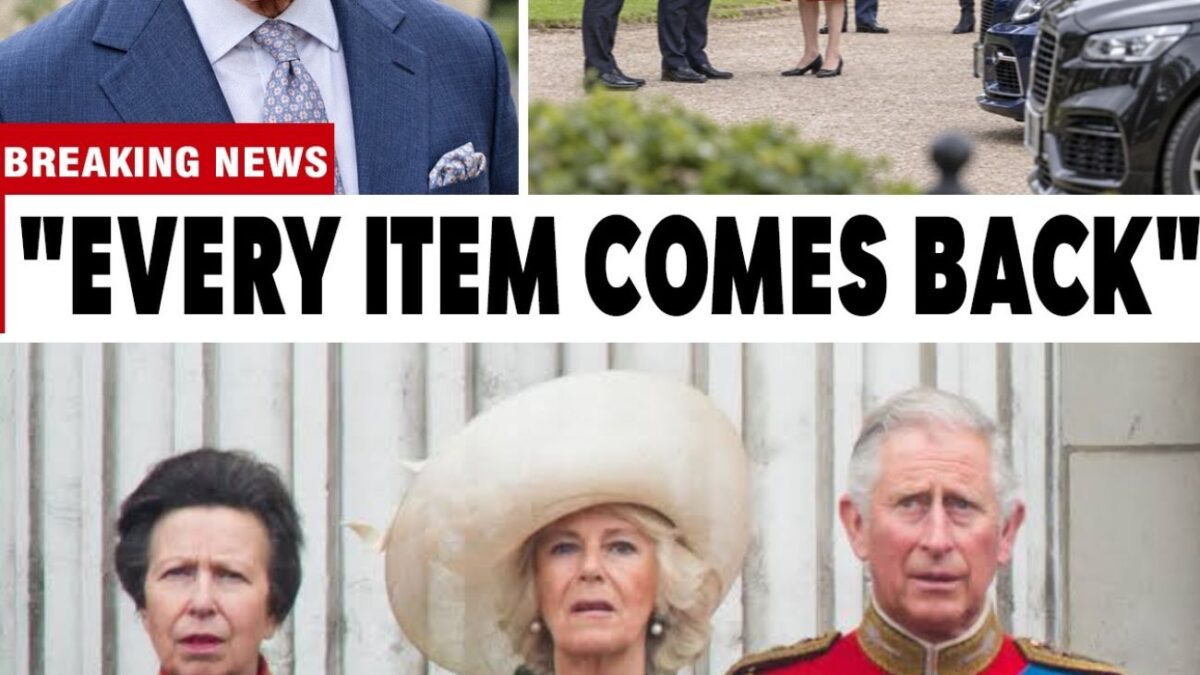
A dramatic story circulating about the British royal family has raised questions about money, family loyalty, and the boundaries between private generosity and royal privilege. According to the claims outlined in the account, King Charles allegedly ordered the return of two homes, four cars, and eight financial arrangements associated with Queen Camilla’s son and daughter. Princess Anne is also drawn into the narrative, with reports suggesting that she signed documents connected to the alleged decision.
There is, however, an essential distinction between the dramatic account and established fact. No independently verified copy of the alleged documents has been presented in the material, and the story itself acknowledges that Buckingham Palace has not confirmed the claims. The supposed separation arrangements between Charles and Camilla also remain unverified. Nevertheless, the scenario raises a compelling question: what happens when a private family arrangement becomes a matter of accountability?
Fourteen Items at the Heart of the Story
According to the account, the controversy began with an alleged review of the King’s private finances. The review supposedly uncovered fourteen arrangements benefiting Camilla’s adult children, prompting questions about who had authorized them and whether they were intended to continue indefinitely.
The list reportedly included a house in West London occupied by Camilla’s son and a cottage on the Sandringham estate used by her daughter. Four cars from the royal household fleet were also allegedly included, along with eight financial arrangements covering travel, fuel, household expenses, tailoring, a private driver, housekeeping, and a quarterly allowance.
The account places the combined value of these arrangements at slightly more than £4 million, with annual running costs estimated at approximately £340,000. Those figures have not been independently substantiated and should not be treated as verified royal accounts.
Yet the numbers explain why the alleged story has such dramatic appeal. A house or a car can be a generous gift, but a continuing arrangement involving several properties, vehicles, and recurring expenses raises a different question: where does generosity end and financial dependence begin?
An Alleged Audit Changes Everything
In the account, the turning point comes when a routine examination of a fuel bill supposedly leads a senior family solicitor to investigate other expenses paid from the King’s private estate.
The alleged discrepancy concerns a vehicle whose fuel, servicing, and insurance had reportedly been covered for three years, despite mileage that did not match an official diary. The solicitor supposedly requested further records, eventually assembling a folder containing fourteen separate arrangements.
The crucial issue was not necessarily whether the arrangements were improper. The narrative explicitly avoids alleging theft or criminal wrongdoing. Instead, it suggests that some commitments may have been recorded as having royal approval without a clear record of the King’s personal authorization.
That distinction matters. Informal promises, delegated decisions, and written financial commitments are not interchangeable. A person may agree to help a relative on one occasion without intending to establish a permanent arrangement. If the story’s account of the paperwork were accurate, clarifying those intentions would be central to understanding the dispute.
Still, the alleged audit, its findings, and the documents described remain unverified. Without the records or reliable independent confirmation, it is impossible to establish whether such a review occurred.
Camilla’s Family and the Question of Privilege
The narrative portrays Camilla as defending her children, emphasizing that they had built careers outside the working monarchy and had not sought royal titles. It also suggests that she regarded the financial arrangements as a way of protecting her family from the pressures associated with her position.
That perspective introduces a








