IT’S DONE? Prince Harry’s $45 Million Demand Sends King Charles Into Crisis — Then Catherine and Sophie Uncover a Shocking Royal Secret
IT’S DONE? Prince Harry’s $45 Million Demand Sends King Charles Into Crisis — Then Catherine and Sophie Uncover a Shocking Royal Secret
The Palace Bombshell That Turned Harry’s Crisis Into a Royal War
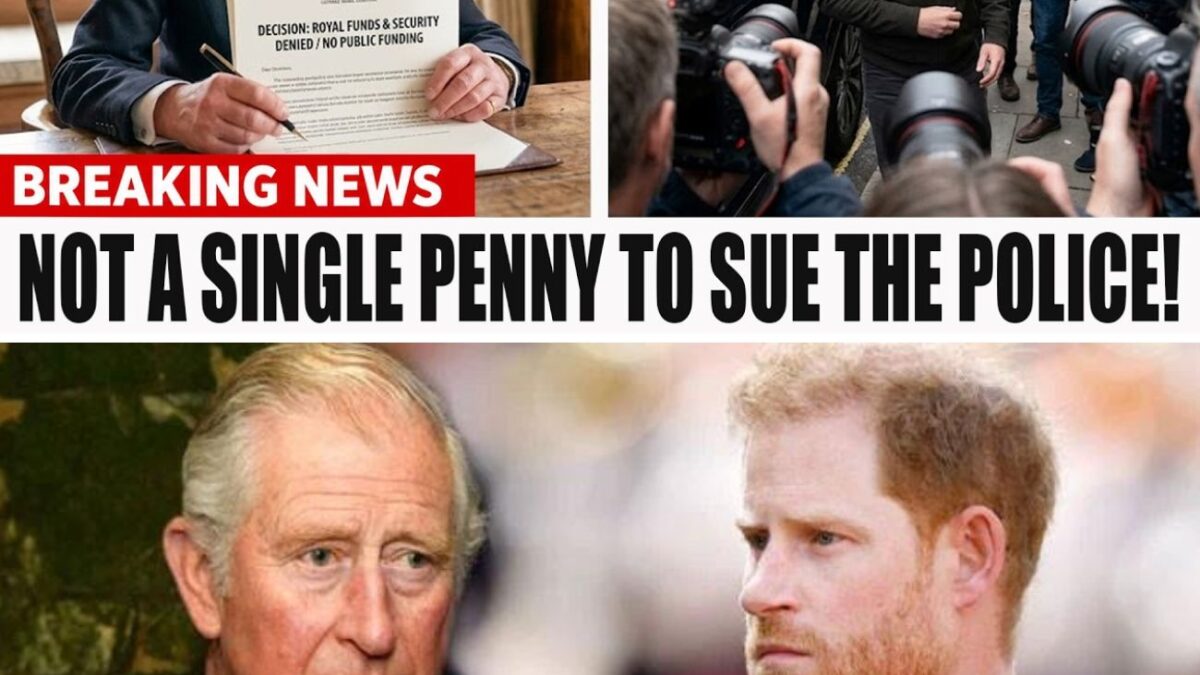
The crisis began in the private library at Sandringham, where King Charles was presented with a confidential dispatch from California. According to the supplied script, the document contained a financial demand from Prince Harry that left the monarch stunned. Charles had already endured a brutal confrontation involving his brother, Prince Andrew, after police searched Royal Lodge and other properties. Andrew had challenged the legality of the searches and sought to use his royal living allowance to finance legal action against the police.
Charles drew a hard constitutional line. He backed the police, insisted that the law must take its course, and refused to allow family money to fund Andrew’s lawsuit. Then Harry’s memorandum arrived, and the timing made the situation even more explosive.
The script portrays Harry as financially cornered. After losing a private lease in the Cotswolds, facing overdue property taxes in California, and struggling with expensive security and legal costs, he allegedly proposed a two-part arrangement. First, he would surrender the Duke of Sussex title permanently in exchange for an emergency $45 million payment from the Duchy of Lancaster. Second, he offered to return to royal duties on a paid, part-time basis whenever the palace required him.
To Charles, this was not reconciliation. It was a transaction. The script presents the king as deeply disturbed by the idea of an ancient royal title being treated like a financial asset. With Charles moved to a private medical suite, the palace descended into emergency mode.
Prince William then arrived with Princess Anne and reportedly ordered preparations for Royal Decree Number 17. His intention, according to the story, was to remove Harry’s children, Archie and Lilibet, from the royal line of succession before sunrise. William believed decisive action was necessary to protect the institution from what he viewed as financial pressure coming from California.
The financial background made the confrontation even darker. The script describes the Sussexes as facing a rapidly deteriorating commercial situation. Their Cotswolds residence was allegedly gone, their California property carried substantial tax obligations, and their charitable and commercial ventures were portrayed as struggling. Tyler Perry, described in the story as a longtime benefactor, supposedly imposed a thirty-day deadline requiring a sovereign financial guarantee from London or risked calling in bridge loans.
That deadline became the fuse.
Instead of retreating, Harry and Meghan allegedly pursued another commercial strategy. Their advisers developed a lifestyle project tentatively called Sussex Kitchen. The proposal was described as much more than a cooking program. Archie and Lilibet were allegedly positioned as central figures, with their royal identities becoming part of a broader merchandising strategy involving children’s products, food, and exclusive video content.
This detail transformed the dispute.
The script says commercial partners wanted the children’s royal status to remain active and officially recognized. Harry allegedly believed the project could generate enough revenue to protect his family. But palace officials feared the children’s titles could become financial instruments.
William’s response was immediate. He wanted to sign the decree and sever the institutional connection before American lenders or entertainment companies could use the royal connection in commercial disputes.
Then came the discovery that changed everything.
Lady Louise Windsor, working with constitutional advisers and royal archives, allegedly uncovered a 117-page corporate dossier registered in Delaware. According to the supplied story, hidden clauses connected the commercial likeness rights of Archie and Lilibet to private lenders as collateral.
The revelation was devastating.
If the agreements were activated, the children’s public identities could potentially become entangled in efforts to recover commercial debts. William saw this as confirmation that the palace needed to act immediately. Yet Catherine, Princess of Wales, saw another danger.
She reportedly asked a simple question: what would happen to the children if the palace stripped them of their titles?
Her argument changed the direction of the crisis. Without royal institutional protection, Archie and Lilibet could become even more vulnerable to the commercial machinery that William was trying to stop. By punishing their parents, the palace could unintentionally remove the very shield protecting the children.
Sophie, Duchess of Edinburgh, joined Catherine in urging restraint. The script connects their position to an alleged private warning from the late Queen Elizabeth II, who believed the monarchy could not practice bloodline vengeance against innocent children.
At two in the morning, Catherine and Sophie entered Charles’s medical suite. The scene was presented as an emergency constitutional council. William still held the draft decree. Charles was exhausted and receiving medical support. But instead of approving a purge, the two women presented an alternative.
They proposed what the script calls the lineage protection protocol and a royal stewardship trust.
The solution was dramatic. Charles would reject Harry’s $45 million demand permanently. His request for paid royal appearances would also be refused. No hereditary funds would be used to solve private debts overseas.
But the children would not be punished.
Under the proposed Crown Sanctuary Trust, Catherine and Sophie would become legal stewards of Archie and Lilibet’s dynastic rights until adulthood. Their titles, future inheritance, and related royal interests would be placed beyond commercial claims. The story argues that this would prevent private corporations from turning the children’s royal identity into collateral.
Charles then signed the document.
The image at the heart of the story is not William destroying Harry, but Catherine and Sophie preventing the children from becoming casualties of the conflict. The king did not publicly attack his son. He closed the royal purse and refused to negotiate over constitutional dignity.
For William, the discovery became a lesson in the difference between punishment and protection. His anger had been directed at what he believed was an attack on the monarchy, but Catherine forced him to confront the possibility that his response could hurt the very children he wanted to defend.
For Charles, the episode became another test of his reign. By refusing to finance Andrew’s legal battle and rejecting Harry’s financial demand, he demonstrated the principle repeated throughout the script: royal privilege could not place anyone above the law.
And for Catherine and Sophie, the crisis became a defining moment. They did not win through public confrontation. They won through restraint, legal strategy, and an insistence that children should never become weapons in an adult dispute.
The story closes with the monarchy entering a new era. The House of Windsor remains divided by painful personal history, but the Crown Sanctuary Trust represents a bridge for the next generation. Archie and Lilibet are portrayed not as bargaining chips, but as children whose inheritance and dignity should remain untouched.
The final message is therefore less about Harry’s defeat than about the palace choosing a different kind of victory. Charles refused the money. William stepped back from the irreversible decree. Catherine and Sophie built a protective barrier around the children.
The storm within the story finally passed. The crown remained firm, but it did not need revenge to prove its strength.
That choice changed everything inside the palace.








