Diana’s Brother Finally Speaks About Camilla After Princess Diana’s D*ath
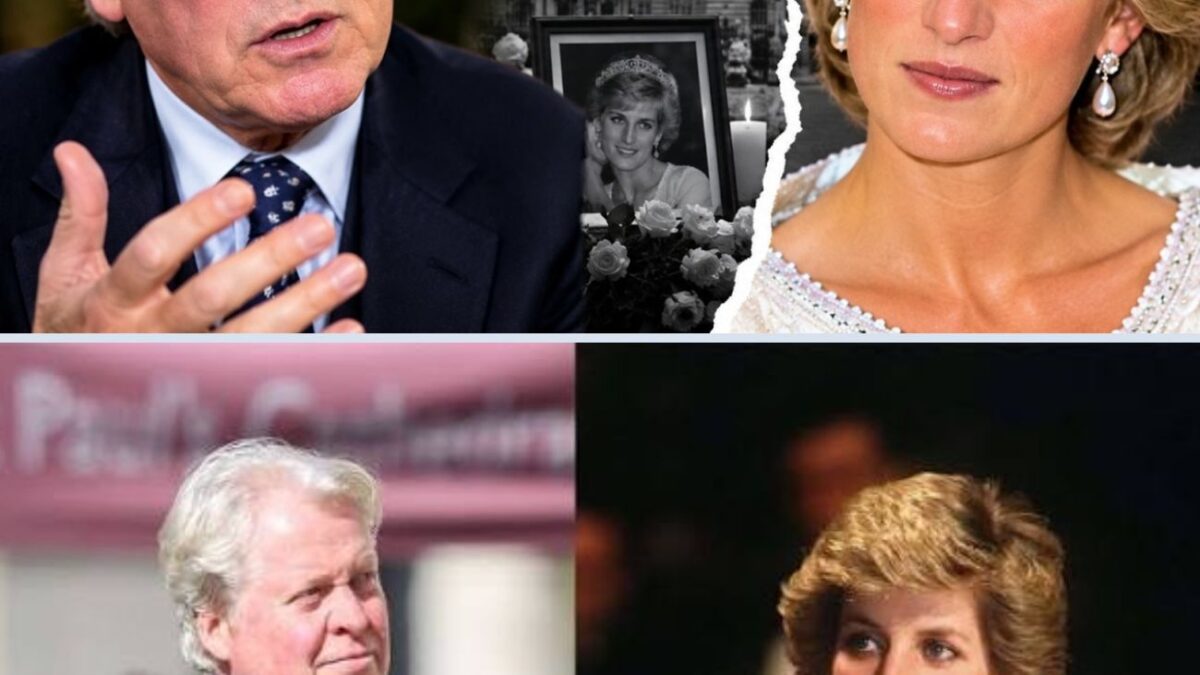
The Secrets They Tried to Bury: Inside Charles Spencer’s Explosive Memoir and the Royal Fallout That Shook Buckingham Palace
For nearly three decades, Charles Spencer, the ninth Earl Spencer, maintained a tightly guarded perimeter around the private life and final, harrowing days of his sister, Diana. While he periodically stepped into the public eye to champion her charitable legacy, address the trauma of her funeral, or campaign for mental health awareness, the intimate mechanics of her doomed royal marriage and the chaotic hours following the fatal crash in Paris remained locked behind closed doors. He gave the world a grief-stricken eulogy in 1997, but the day-to-day misery, the whispered phone calls, and the internal politics of the House of Windsor were kept strictly to himself.
That wall of silence collapsed with the publication of his highly anticipated memoir, Swan Song, Diana, My Sister, released by Michael Joseph, an imprint of Penguin Random House. Timed strategically ahead of the looming thirtieth anniversary of Diana’s death, the book did what few modern royal autobiographies manage: it pierced the impenetrable armour of Buckingham Palace, provoking an immediate, formal written rebuttal from the institution. Far from a nostalgic retrospective, Spencer’s account is a searing, deeply partisan document that has reignited ancient hatreds, divided royal commentators, and dragged the monarchy back into a painful dialogue about its darkest chapter.
The Shadow of Westminster Abbey: Re-visiting 1997
To understand why Swan Song landed with the explosive force of a seismic tremor, one must return to the solemn, suffocating atmosphere of Westminster Abbey on 6 September 1997. Spencer was only thirty-three years old when he stood before a global television audience numbering in the billions to deliver his sister’s funeral address. It was a speech that broke every convention of royal protocol.
Rather than offering a safe, sanitised tribute, Spencer framed himself as the representative of a family in grief before a world in shock. He launched a blistering attack on the tabloid press and the predatory paparazzi whose relentless pursuit drove Diana to her tragic end, before pivoting to a promise that stunned the congregation: he vowed to protect young Princes William and Harry, explicitly positioning the Spencers as Diana’s true “blood family”—a phrase widely interpreted at the time as a direct, wounding indictment of the Windsors.
Outside the Abbey, crowds watching on massive screens erupted into thunderous applause. Inside, the senior royals sat in icy silence, though Diana’s grieving sons reportedly joined in. That eulogy established a precedent that would define the next twenty-nine years: Spencer as the self-appointed guardian of his sister’s memory, willing to vocalise what the establishment preferred to sweep beneath the carpet. In subsequent years, he admitted that participating in the funeral procession was an agonising ordeal for the teenage princes, confessing that he still suffered nightmares from the experience. Yet, none of these past reflections carried the institutional danger of his latest literary offensive.
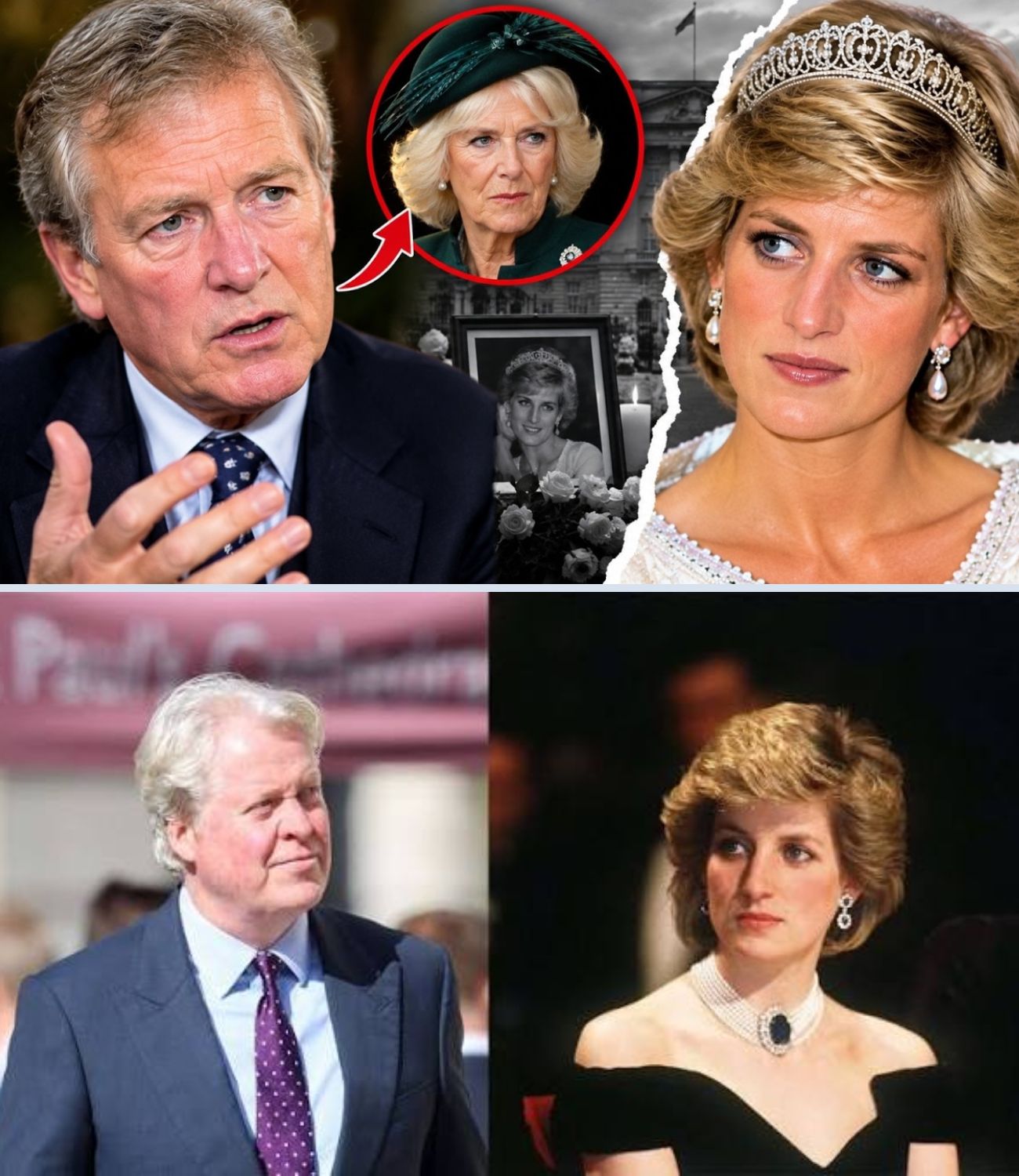
The Core Revelations: Phone Calls and Cold Realities
Swan Song covers the familiar milestones of Diana’s youth—their childhood at Althorp, their parents’ bitter divorce, and her transition from a shy nursery assistant to the most photographed woman on the planet. However, the memoir pivots sharply into explosive territory when recounting the final weeks and the immediate aftermath of the Paris crash.
The most inflammatory claim centres on a telephone conversation Spencer says he had with then-Prince Charles in the immediate aftermath of Diana’s death, while the two men were arguing over whether William and Harry—then aged fifteen and twelve—should walk behind their mother’s coffin in the funeral cortege. Spencer alleges that during this tense exchange, Charles dismissed his objections regarding the psychological toll on the boys, remarking coldly that they would “forget her soon enough”.
When pressed by the BBC’s Laura Kuenssberg during a landmark television interview accompanying the book’s release, Spencer refused to yield. He stood firmly by his recollection, describing the alleged comment as “monstrous”.
Equally damaging is Spencer’s recollection of his very first phone call with Charles upon learning that Diana had died. While the rest of the world reeled in stunned, devastated silence, Spencer claims the future king’s tone was bizarrely out of step with the tragedy. He writes that Charles sounded “giddily elated” and compared the tone of his voice to that of a lottery winner. While Spencer is careful to frame this as an assumption rather than an absolute proven fact—speculating that Charles might have felt a sudden, unburdened sense of freedom to finally marry Camilla Parker Bowles—the psychological implication is devastating. It portrays an institution emotionally detached from human tragedy, prioritising dynastic manoeuvring over genuine grief.
Behind Palace Doors: The Anatomy of a Broken Marriage
Beyond the chaotic hours of late August 1997, the memoir delves deep into the psychological torture of Diana’s marriage, offering intimate glimpses into her private despair. Spencer recounts a poignant lunch arranged by Diana specifically to explain why she was demanding a divorce. During that meeting, she allegedly told him plainly that her husband was deeply in love with his valet. According to Spencer, Diana never named the staff member, and he chose not to probe further, believing it secondary to the catastrophic collapse of her life’s work.
The book also reaches back to the precarious days before the royal wedding, detailing an incident where a distraught Diana discovered a bespoke bracelet Charles had purchased as a gift for Camilla Parker Bowles. When she took her heartbreak to her father, she was reportedly told that she could not back out of her engagement—a rigidity of aristocratic duty that sealed her fate. This established a lifelong conviction in Diana’s mind that she had essentially been cast as the “other woman” in her own marriage from the very beginning. Spencer even points to geographical trivia, noting that a railway siding tied to the affair sat mere miles from Camilla’s estate, fueling Diana’s lingering obsessions.
Adding an even more eccentric layer to the family history, Spencer includes an anecdote suggesting their father had a romantic dalliance with a young Princess Elizabeth decades before she ascended the throne—a detail that treats British royal history as an intimate, interconnected soap opera.
The Palace Counter-Attack: Gaslighting and the Unreliability of Memory
Faced with a narrative that threatened to destabilise decades of careful reputation management, Buckingham Palace took the rare step of breaking its traditional silence of dignified indifference. Rather than issuing a blanket denial, the palace released a meticulously crafted statement addressing the core allegations without dignifying them individually.
The statement suggested that “fraternal grief can cloud reason, affect judgment, and colour memory in ways others may not recognise, even many years after such a loss.” It was a masterpiece of constitutional diplomacy: it avoided accusing Spencer of outright falsehood while subtly painting him as an unreliable narrator whose decades-old trauma had distorted reality.
Spencer’s response was characteristically fierce. In subsequent media appearances, he accused the palace of attempting to “gaslight” him, insisting that his memory of those catastrophic hours remains crystal clear. Meanwhile, Queen Camilla—now seated firmly on the throne—avoided direct confrontation entirely, offering vague public appeals for unity during her own literary appearances at Chatsworth House, maintaining the time-tested royal strategy of outlasting controversy through quiet stonewalling.
A Nation Divided: The Critical Verdict
The literary and public reception of Swan Song has laid bare deep cultural divisions. Reviewers in prominent British newspapers have questioned whether the memoir is truly a definitive window into Diana’s soul or an elaborate, self-aggrandising exercise in score-settling by a man who has spent nearly three decades curating his own role in the tragedy.
Critics argue that because many of the most damaging claims—such as private phone call inflections and muttered comments behind closed doors—are inherently unfalsifiable, readers are forced to rely entirely on the subjective lens of a partisan narrator. Yet, supporters argue that Spencer’s unique vantage point as an eyewitness to history provides an authentic counterweight to the sanitised official history promoted by the crown.
As the thirtieth anniversary of Diana’s death approaches, Swan Song has successfully ripped open wounds that the establishment spent billions trying to heal. It serves as a potent reminder that history is rarely written by the victors alone; sometimes, it is written by the grieving siblings left behind to pick up the pieces, determined that the official narrative will never completely overwrite the pain of the past.
You Might Also Enjoy

“We Thought They Would Negotiate”—What Argentine Soldiers Said When The British Attacked Goose Green

“You’ll Never Finish My Ruck March, Limey” — US Sergeant Who Challenged the SAS, Then Fell Out First






