“Don’t Corner the British SAS… It Never Ends Well”
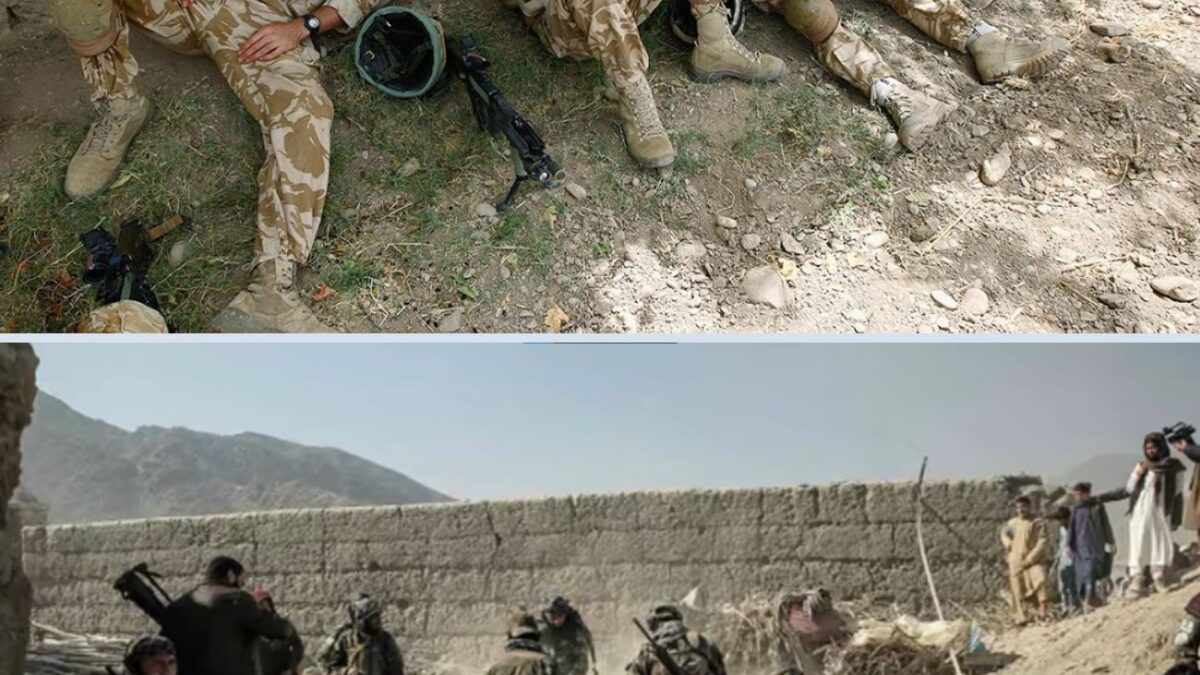
They knew something was wrong the moment the radio didn’t crackle. It just went silent. No static, no interference, no fading signal, just silence. Like someone had cut the connection clean. In Helmand province, that didn’t happen. Even at night, there was always noise somewhere. Distant gunfire, barking dogs, engines running behind mud walls. But here, just north of Nad Ali, there was nothing. The SAS patrol moved anyway. Eight men split into two elements, advancing across dry, uneven ground with controlled precision. No lights, no talking, no wasted movement. Sergeant Daniel Harper led from the front, setting the pace, every step measured. Behind him, Corporal Lewis covered the breach point. Rifle steady, scanning through his optic. This was routine. Approach, confirm, strike if necessary, extract. But something about this felt wrong. Harper raised a fist. The patrol froze instantly. He listened. Nothing. No voices inside the compound, no shifting, no movement. Hours earlier, drone surveillance had shown at least a dozen armed men inside. Heat signatures, movement between structures, signs of activity. Now the place felt dead. Harper dropped to one knee, studying the broken outer wall they planned to use. The ground didn’t look right. Not enough fresh disturbance. If men had been moving here recently, there should have been clearer tracks. Instead, the dust had settled too evenly.
“You see it?” Lewis whispered.
“Yeah.” Harper replied quietly. He tapped his headset. “Base, this is Alpha 1. Radio check.”
Nothing. Not even a weak signal. That confirmed it. This wasn’t a malfunction. He paused for a second, weighing options. Pull back and call it compromised, or push forward and find out what was happening. The safe choice was obvious, but safe didn’t give answers. Harper made the call. He signaled forward. The team moved immediately. First pair entered through the breach, clearing left and right. Second pair followed, covering deeper angles. Third held the entrance. Fourth stayed outside, securing the perimeter. The movement was smooth, controlled, exactly as trained. Inside, there was no resistance. The compound was empty. Burnt rugs, scattered debris, old shell casings, nothing fresh. The air carried a faint chemical smell, something out of place. Harper swept his light briefly. Footprints led into the building, but none led out.
“Clear,” one of the operators said, but no one believed it fully.
Harper moved deeper, checking corners, scanning for anything missed.
“Check the rear,” he ordered.
Lewis nodded and moved down a narrow corridor toward the back exit. The rest of the team continued searching. One operator found a damaged radio unit.
“Used recently,” he said.
Another found a map with marked routes that didn’t match their briefing. Harper felt that familiar tension building. Focused, controlled, a warning more than fear. He keyed his radio again. “Alpha 1 to base, comms check.” Silence. Then a single shot echoed outside. Not a firefight, just one precise shot. Harper reacted instantly, moving toward the courtyard. The team followed, shifting to combat readiness without hesitation. When he stepped outside, he counted immediately. Seven. One missing.
“Where’s Lewis?” he asked sharply.
The perimeter operator looked shaken. “He was right here. I turned for a second.”
Harper ignored the explanation. He was already scanning the ground. Tracks everywhere, but all except one. A fresh boot print leading toward a narrow passage between the walls. Beside it, a dark patch of blood. Harper raised his hand. Weapons came up. No words were needed. They moved toward the passage, slow and deliberate. It was narrow, forcing them into a tight line. Bad positioning. At the end, a blind corner. Harper signaled. They advanced. The first shot came instantly, close and precise. It missed by inches. The team returned fire, short controlled bursts. A figure dropped out of sight. Then another firing position opened from the side, then another. The ambush was coordinated, disciplined, no shouting, no confusion. The enemy moved with control, using the terrain perfectly.
“Ambush,” Harper said, keeping his voice steady.
They pulled back slightly, trying to adjust. But the space limited their movement. Every angle was covered. That’s when it became clear. This wasn’t random. The compound, the silence, the missing activity, it was all planned. The radio hadn’t failed. It had been jammed. Someone knew they were coming. Someone had prepared specifically for them.
“Smoke,” Harper ordered.
The grenade deployed, filling the passage with thick cover. Under it, they withdrew, pulling a wounded operator back. Rounds struck the walls, fragments of stone scattering. But the enemy didn’t advance. They held their positions. That was the part that didn’t fit. They weren’t trying to wipe them out. They were controlling the fight. Back in the courtyard, Harper turned, expecting pursuit. None came. Silence returned just as quickly. He counted again. Seven. Lewis was gone. Not confirmed dead, taken. Harper looked toward the passage, thinking fast. This wasn’t just a failed mission anymore, it was something deliberate. Someone had drawn them in, cut their comms, and taken one of their men.
“We’re not leaving him,” Harper said quietly.
No one argued. They all understood what that meant. Going back in wouldn’t be controlled. It wouldn’t be safe. It would mean stepping directly into a prepared trap. Harper looked once more at the blood on the ground, then at the dark entrance beyond. Whoever had taken Lewis knew exactly what they were doing. And now they were waiting. Harper didn’t move immediately. Standing in the courtyard with one man missing and the radio still dead, he forced himself to slow down. Rushing now would get more people killed. This wasn’t a standard operation anymore. Whoever they were dealing with had known their approach, cut their communications cleanly, and taken a man without leaving chaos behind. That meant planning, discipline, and control. He crouched again near the blood, pressing two fingers against the dirt. Still wet. Minutes. Not longer.
“They’re close,” he said quietly.
One of the operators scanned the rooftops again. “Or they want us to think that.”
Harper nodded slightly. “Same difference. Stay sharp.”
He stood and made a decision. “We don’t go back through that passage. That’s exactly where they want us. If Lewis is alive, he’s already been moved.”
No one argued. It made sense. A prepared team wouldn’t hold a prisoner inside the same kill zone they had just used. With comms down, extraction was no longer guaranteed. Their pickup window was still hours away, but without confirmation, it meant nothing. That shifted priorities. Survival came first, then control of the situation, then recovery. Harper split the team. Four men stayed behind to secure the compound and maintain observation. The remaining three moved with him. They exited through the rear breach, avoiding the original approach route. The terrain behind the compound opened into dry irrigation channels and low mud walls, broken up by scattered vegetation. Good for movement, but also good for concealment on both sides. Harper moved first, scanning the ground carefully. The track was there, but subtle. Slight disturbances in the dust, displaced stones, nothing obvious. Whoever moved Lewis knew how to leave as little trace as possible. After about 30 meters, Harper stopped and raised his hand. Additional prints had joined the original track. Two, maybe three more individuals. Small team.
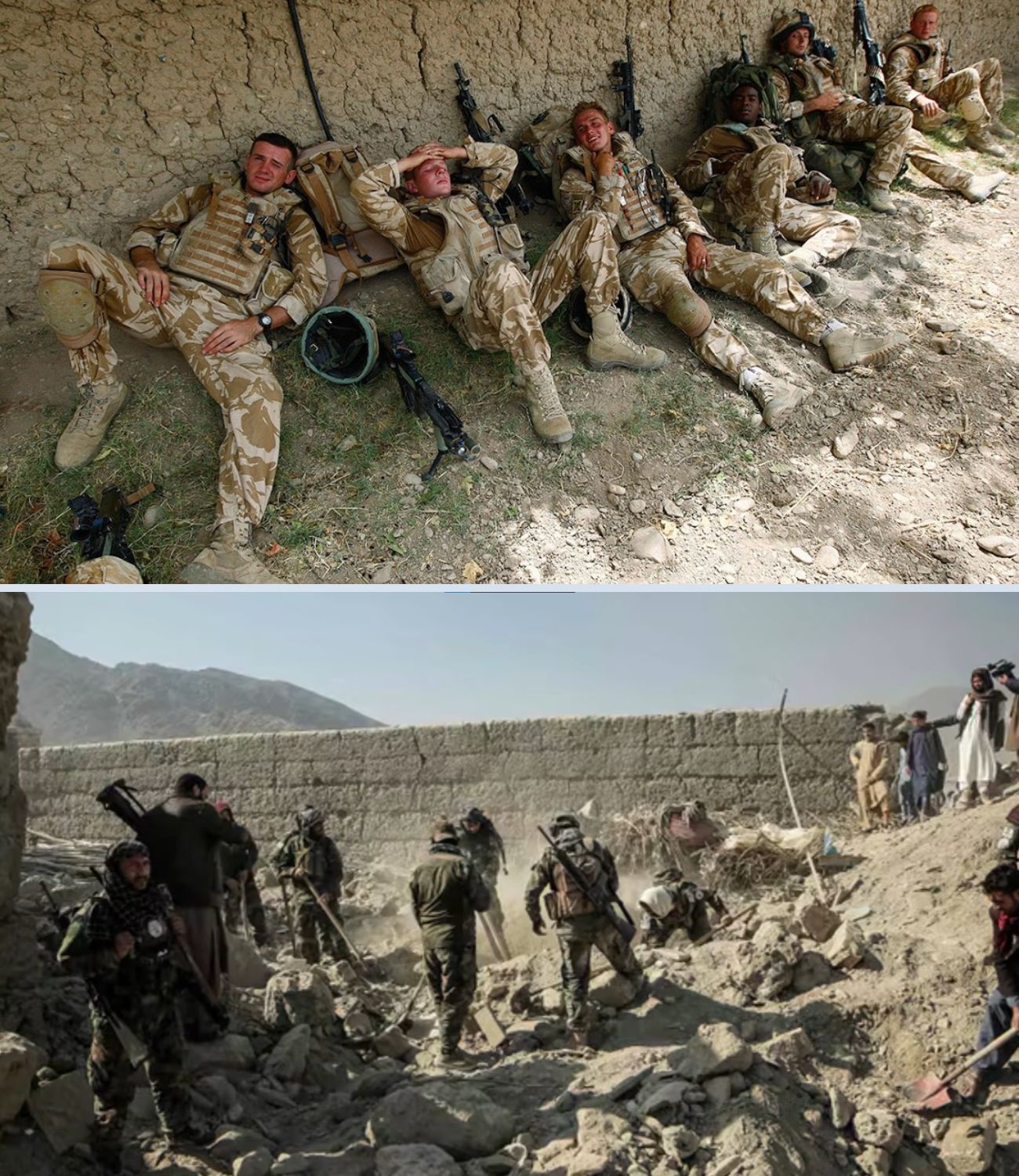
“One operator whispered,” Harper nodded. “And controlled. No panic.”
They followed slowly, keeping spacing, checking angles constantly. The trail led toward a shallow depression, then disappeared. Harper crouched, studying the ground. Too clean. He shifted position, changed angle, and caught it. A faint outline under dust and brush. A concealed trench entrance, reinforced just enough to hold shape. Not new, but maintained. Recently used. Harper exhaled quietly.
“This wasn’t set up today,” he said. “They’ve been using this area.”
One of the men looked at the entrance. “We go in?”
Harper shook his head immediately. “No, that’s a blind entry. If they want us dead, that’s where it happens.”
Instead, he stepped back and scanned the surrounding terrain. If there was an entrance, there had to be overwatch. No one builds something like that without covering it. He picked out likely positions. Slight elevations, partial cover, angles overlooking the trench.
“We check those,” he said.
They moved again, slower now, working in a wider arc. Every step was deliberate. The silence was back, but it didn’t feel empty anymore. It felt watched. After several minutes, they reached the first position. It was exactly where Harper expected it. A shallow dugout, camouflaged with fabric and dust. Empty, but not abandoned. A water bottle, still half full. A spent casing. Someone had been there recently. Harper picked up a small optic left behind and used it to scan the distance. It took a few seconds, then he saw movement. Four figures moving across open ground, heading northeast. One of them, slower, controlled.
“That’s them,” Harper said.
He adjusted the optic, focusing. The formation confirmed it. Two ahead, one behind, one controlling the prisoner. Lewis was alive. Hands bound, but walking. That changed everything.
“Distance?” one of the operators asked.
“Too far for a clean shot,” Harper replied. “Wind, movement, risk to Lewis. Too many variables.”
He lowered the optic and thought quickly. Engage now, risk hitting their own man. Wait too long, lose them completely. The margin was thin.
“We follow,” he decided. “No shots unless we have to. We close the distance first.”
They moved again, adjusting their route to intercept while staying concealed. The ground worked against them. Open patches, limited cover, but they used what they had. The group ahead didn’t rush. That was the problem. They moved like they had time, like they weren’t afraid of being caught. That meant they were confident or supported. Harper kept watching their movement pattern. It was disciplined, consistent, not irregular fighters. Something else. After several minutes, they closed enough to see details clearly. Gear was clean, not mixed, weapons maintained properly, movement controlled.
“Not locals,” one of the operators whispered.
Harper didn’t respond, but he agreed. Then the situation shifted. One of the escorts stopped and turned slightly, scanning behind them. Harper froze instantly. Every man behind him did the same. No movement, no sound. Seconds stretched. Then the man signaled. The formation ahead tightened, pace increasing. They hadn’t seen them exactly, but they sensed something.
“They know something’s off,” Harper said quietly.
That was enough. If they reached cover, they would disappear.
“We take them before they break line of sight,” he ordered.
Weapons came up. Targets assigned silently. Timing compressed into seconds. Then a shot cracked from the left. Not theirs. The round hit the ground several meters away. Another followed closer. High ground.
“Contact left.”
“Sniper.”
Not part of the moving group, a separate overwatch element. That changed everything. Harper dropped behind cover instantly. The team reacted the same. More rounds came in, controlled, accurate. The shooter wasn’t rushing. He was fixing them in place. Ahead, the group with Lewis accelerated, moving toward broken terrain that would hide them completely. The trap was layered. First contact point, then capture, then movement under overwatch. Planned in depth. Harper looked once toward the retreating figures, then toward the direction of the incoming fire. They had seconds. If they stayed pinned, Lewis was gone. If they moved, they exposed themselves to the sniper. No perfect option. He made the call anyway.
“We push forward,” he said.
One of the operators looked at him, just for a fraction of a second. Harper met his gaze.
“We lose him now, we don’t get another chance.”
That was enough. They moved. Not fast, not reckless, controlled aggression. Short bursts of movement between cover, forcing the sniper to adjust, breaking his rhythm. Dirt kicked up around them as rounds struck close, but not close enough. They weren’t his priority target. They were a delay. Ahead, the group was almost at the ridgeline. Another 10 seconds, and they would be gone. Harper increased pace, risk rising, options narrowing. He could see Lewis now more clearly, stumbling slightly, but still moving. Alive. That was all that mattered.
“On my mark,” Harper said quietly.
Weapons aligned. Distance closing. Everything came down to timing. And then the ground dropped suddenly into another shallow cut in the terrain, and the group disappeared from sight. Harper stopped just short of the edge, breathing controlled, mind already working the next move.
“They’re not running,” he said. “They’re leading us.”
Harper didn’t rush the edge. The moment the ground dropped and the group disappeared, he stopped instead of pushing forward.
“Hold,” he said quietly, raising a hand.
The team froze just short of the lip, staying behind cover. The terrain ahead dipped into a narrow cut, deep enough to hide movement, shallow enough to fight in. Bad ground. Harper lowered himself and slowly brought his optic up just enough to see inside. He didn’t expose more than necessary. The cut curved slightly with broken sight lines and small pockets of shadow. No immediate movement, but the ground told a different story. It was disturbed in multiple places, not just from the group that had entered. This wasn’t a random marsh route. It was used repeatedly.
“They’ve run this before,” Harper said quietly.
One of the operators shifted. “Ambush point?”
Harper shook his head. “Transit route.”
He pulled back and checked their rear. No sign of the sniper, but that didn’t mean safety. It meant the sniper had already done his job, forced them forward. Harper understood the pattern now. Initial contact, controlled capture, pressure, movement through prepared terrain. Layered. Deliberate.
“They’re guiding us,” he said. “We follow blindly, we lose.”
One of the men glanced toward the cut. “So we stop?”
Harper shook his head. “We change how we move. Instead of entering the cut,” he pointed to higher ground running alongside it, “we stay above, break the pattern.”
It was riskier in terms of exposure, but it avoided walking straight into the next setup. They moved along the ridge, keeping low, using whatever cover the terrain gave them. Progress was slow, controlled. Every few steps, Harper stopped, scanned, listened. No fire, no movement. That silence again, intentional, controlled. After several minutes, the ridge curved enough to give him a new angle. He dropped low and looked again. This time, he saw them. Four figures moving inside the cut. Lewis with them, still on his feet, but controlled. They weren’t running. They had slowed down. One of them knelt briefly, hands working near the ground. Not checking gear, placing something. Harper narrowed his eyes.
“They’re setting something,” he said. “Possible charge or trigger point.”
That confirmed it. They weren’t escaping. They were building another layer. Harper studied the formation. One man had shifted slightly higher than the others, positioned to watch both the cut and the ridge line. Overwatch. That meant they expected pursuit from above as well.
“Two elements,” Harper said quietly. “Main group in cover.”
The overwatch position was the problem. As long as he was active, any approach would be exposed. Harper made the call.
“We take the high man first.”
One of the operators glanced at him. “Quiet?”
Harper shook his head. “Fast.”
Time was already against them. They repositioned carefully, spreading just enough to get angles. The overwatch man was partially concealed, scanning slowly, controlled, not nervous. That meant he didn’t expect immediate contact. Harper aligned his shot, slowed his breathing.
“On me,” he said.
Three shots broke almost simultaneously. The overwatch dropped instantly. No shout, no warning. For a brief moment, nothing happened. Then everything moved at once. The group inside the cut reacted fast. Lewis was pulled down and shifted deeper. Return fire came up toward the ridge, controlled and accurate. Harper was already moving.
“Push.”
They advanced along the ridge using speed now instead of patience. Rounds struck near them, kicking up dust, but the enemy wasn’t spraying. They were placing shots. One of them moved to suppress. Another dragged Lewis toward the next bend.
“They’re delaying,” Harper said.
That was clear now. They weren’t trying to win the fight. They were buying time. Harper reached a point where the ridge dipped closer to the cut. He dropped slightly, bringing his weapon up. A figure crossed below, clean angle. He fired once, the target dropped. That broke their rhythm. For the first time, the movement below lost coordination. Not chaos, but disruption.
“Keep pressure,” Harper said.
The team pushed harder, closing distance. Another enemy appeared briefly, returning fire before pulling back. Lewis was still moving, still alive, being forced forward. Then Harper saw something at the far end of the cut. At first, it looked like shadow. Then shape resolved. A vehicle, parked low, partially concealed behind terrain. Not local. Positioned for a quick exit. Everything aligned instantly. This wasn’t just a tactical engagement. It was an extraction plan. The ambush, the layered defense, the controlled withdrawal, it all led here.
“Vehicle,” Harper said sharply. “They’re exfiltrating.”
That changed the timeline completely. If that vehicle moved, recovery chances dropped to near zero. He didn’t hesitate.
“We stop it. Now.”
The team accelerated, abandoning slow movement for controlled aggression. Fire intensified from the remaining enemy as they tried to cover the withdrawal. One of them reached the vehicle, pulling the door open. Another forced Lewis forward. Distance closed quickly now. Seconds mattered. Harper raised his weapon, tracking the driver’s side. The man there turned slightly, just enough. Harper fired. The round hit clean. The man dropped against the door, but there was no pause. Another moved instantly to replace him. That confirmed everything. They were committed to the extraction.
“Again,” Harper muttered, adjusting his aim.
The second man moved faster, dragging the first aside, reaching for the seat. Harper fired again, but this time the shot struck metal, sparking off the frame. The vehicle engine turned over. A low mechanical growl cut through the air.
“Move.”
Harper pushed forward, closing the last distance. The remaining enemy shifted positions, increasing fire to slow them. One of Harper’s men returned controlled bursts, forcing them to keep their heads down. Another adjusted angle, trying to cut off the rear. Lewis was shoved toward the vehicle, barely keeping balance. Harper saw his face for a fraction of a second. Blood, dust, but conscious. The vehicle started moving, slow at first, wheels struggling against uneven ground, then gaining traction.
“Disable it,” someone called.
Harper was already adjusting aim toward the engine block. He fired twice. One round struck low, another higher, but the vehicle didn’t stop. It jerked forward, gaining speed. The driver kept it moving despite the impact.
“Too late,” one of the operators said.
Harper didn’t answer. He kept moving, pushing harder, ignoring the incoming fire. Distance closed, but not enough. The vehicle picked up speed, turning slightly as it reached firmer ground. And then, just before it disappeared behind the ridge line, Harper saw something that didn’t fit. One of the remaining enemy didn’t get in. He stayed behind, standing in the open for a fraction of a second, watching them. Then he turned and disappeared into the cut. Harper slowed slightly, watching the vehicle vanish beyond terrain. They hadn’t just lost the target. They had been delayed exactly long enough. And that meant one thing. This wasn’t over. The silence after the vehicle disappeared wasn’t relief. It was confirmation that something had been completed on the other side. Harper didn’t chase the horizon. He stopped at the last point of contact and scanned the terrain carefully. No movement. No immediate follow-up. That absence of action felt wrong.
“Hold position,” he said, voice low.
The team spread slightly, forming a defensive posture without making it obvious they were holding ground. Harper took a knee, checking the ridge, the cut, the likely withdrawal paths. Everything about the encounter had been structured. The ambush, the controlled retreat, the layered defense, it wasn’t improvised. It was built. Then the radio crackled. A short burst of static followed by a broken transmission. Not clean. Not friendly. Harper leaned in slightly.
“If you’re receiving, move to extraction point delta. Repeat. Delta. Do not pursue. Repeat. Do not pursue.”
The voice cut out. That alone confirmed it. This wasn’t just a tactical encounter. It was part of a broader operation, one that had already shifted beyond what they were seeing here. Harper stood slowly.
“They’re pulling out,” he said. “This was never the objective.”
One of the operators frowned. “Then what was?”
Harper didn’t answer immediately. He looked back toward the cut, toward the path the group had taken, the place where Lewis had been forced through.
“Control,” he said finally. “They controlled the movement, the timing, and the exit.”
They moved cautiously back along the ridge, retracing part of their approach, careful not to expose themselves to any follow-up. The enemy sniper never reappeared. That was expected. Snipers like that didn’t stick around once their role was done. They had already shaped the battlefield. As they reached a more secure position, Harper finally allowed himself a closer look at the consequences. One of their own was injured, minor, but enough to slow them. The enemy had been precise, not wasteful. Every shot, every movement had served a purpose. They regrouped in a shallow depression, using the terrain to mask their presence. Harper checked each man quickly. Count, condition, readiness. No casualties, but not untouched. He looked back once more toward the direction of the vehicle’s escape. No dust trail now, no movement. Only silence.
“They knew we’d come,” one of the operators said.
Harper nodded. “And they knew exactly how we’d react.”
That was the part that mattered. This wasn’t random contact. It was predictive. The enemy had anticipated not just movement, but decision-making. They had forced a series of choices, each one narrowing the possible outcomes. Engage here, advance there, break formation, reposition. Every step had been shaped without direct control. Harper stood up slowly.
“We’re not going to chase ghosts,” he said. “We extract.”
No one argued. The mission had already shifted. Continuing forward would only play into the same pattern they had just escaped. As they began moving back, Harper kept his awareness sharp. The terrain felt different now, not safer, just more understood. The tension didn’t disappear. It just changed form. Every step back was measured, deliberate, controlled. Halfway through the withdrawal, Harper stopped again. Something didn’t feel right. He raised a hand, and the team froze instantly. A faint sound. Not gunfire, not movement, a mechanical click. Harper slowly turned his head toward a nearby section of ground. His eyes narrowed. The others stayed still, waiting. He crouched, scanning carefully, then gestured subtly.
“Back,” he whispered.
They shifted a few steps away from the area. Harper pulled a small piece of debris and tossed it lightly onto the ground. The response was immediate. A sharp detonation ripped through the air. The blast contained, but precise. Designed to wound, not obliterate. Shrapnel tore through the exact space they had been standing in seconds earlier. The team reacted instantly, moving into cover.
“Contact’s not gone,” one of them said.
Harper nodded. “No. It’s layered.”
They had walked into the last layer. A fallback measure, a delayed trigger. Something meant to catch exactly what remained after the main objective was secured. That confirmed everything. This had never been about a single engagement. It had been about depth. The enemy hadn’t needed to win the firefight. They only needed to control the outcome long enough to complete their objective. Harper exhaled slowly, then gestured forward.
“Keep moving.”
The final stretch back was quiet, but now every step carried awareness of what had just happened. The team moved as one, no longer reacting, but anticipating. When they finally reached the extraction point, the helicopters were already inbound, rotors faint in the distance. Harper didn’t relax until they were on the ground, and the aircraft was within visual range. As the aircraft touched down, Harper looked back one last time at the terrain they were leaving behind. It had been more than just ground. It had been a system. And they had just walked through all of it. One step at a time. He climbed aboard without another word. The ramp closed, and the battlefield disappeared behind them.
You Might Also Enjoy

“We Thought They Would Negotiate”—What Argentine Soldiers Said When The British Attacked Goose Green

“You’ll Never Finish My Ruck March, Limey” — US Sergeant Who Challenged the SAS, Then Fell Out First






