“Don’t Send Marines, Send British SAS Psychopaths”—The 1991 Mission That Terrified American Generals
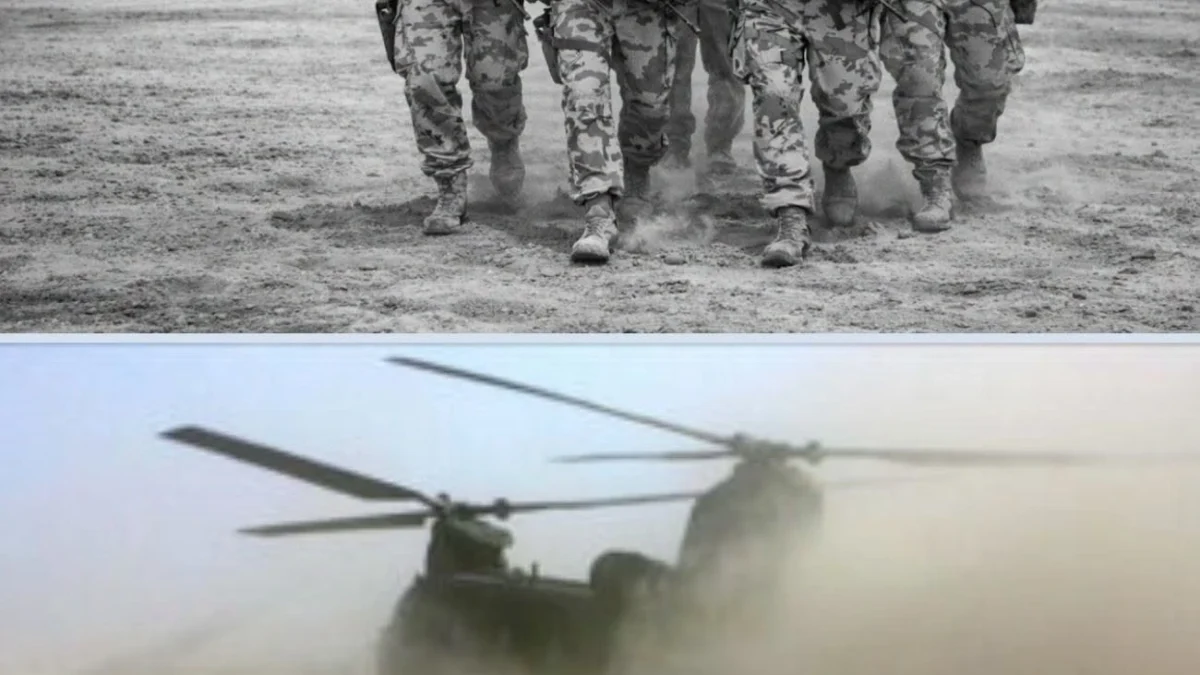
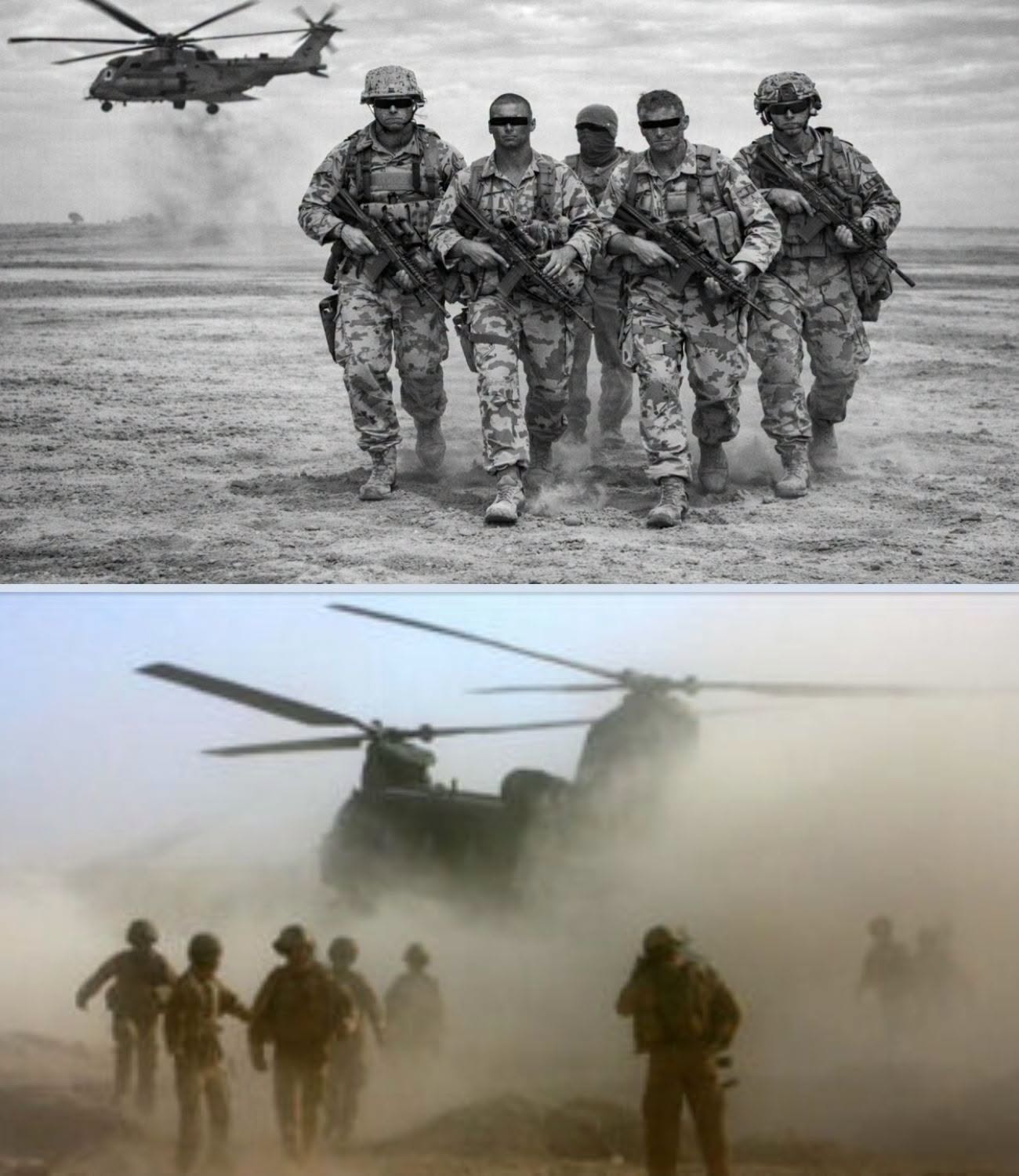
Don’t send the Marines. Send these British psychopaths. That’s exactly how Coalition Commander General Norman Schwarzkopf described SAS fighters after an operation that forced the Pentagon to rewrite every textbook on special operations. Eight men against 3,000 Iraqi soldiers, 300 kilometers through enemy territory, temperatures ranging from plus 20 to minus 12 degrees Celsius.
No communications, no support, no chance of evacuation. the result one survived by miracle three in captivity three forever but they accomplished what all of nato aviation couldnt on january twenty sixth nineteen ninety one a chinook helicopter hovered over the iraqi desert the air temperature dropped to minus eight degrees c wind blew at fifteen meters per second one after another men in sand-colored uniforms jumped from the belly of the machine laden with weapons and explosives eight british special forces operators from the special air service regiment vanished into the night
just three hundred fifty kilometers from bagdad Their target was mobile Scud ballistic missile launchers that Saddam Hussein used to terrorize Israel and coalition forces. American aviation spent weeks on bombing runs with mixed success. The British solved the problem with methods that made Pentagon generals shudder with admiration.
The operation received the codename Victor II. The patrol under Sergeant Andy McNabb’s command was supposed to penetrate deep into enemy territory, find hidden Scud complexes, and either destroy them independently or guide Allied aircraft to targets. In reality, the eight found themselves in the middle of hostile territory the size of Great Britain, where every person they met could be an enemy.
Support wasn’t coming. the nearest base was four hundred kilometers away but they had orders steel training and absolute confidence in their comrades what would happen in seventy-two hours nobody foresaw the history of the british s a s has always balanced on the edge of the impossible that’s exactly how american officers described these men after joint operations in the persian gulf soldiers who do what entire battalions cannot These fighters operated by rules written in the sands of North Africa during World War II,
when a handful of desperate daredevils in Willys Jeeps destroyed German aircraft faster than the entire Royal Air Force. The same principle worked half a century later, minimum personnel, maximum audacity, and professionalism. But in 1991, this formula would face a test that rewrote the textbooks. Patrol Bravo.
2-0 landed in the desert with full kit weighing nearly 100 kilograms per man. Radio stations, explosives, ammunition, water, rations for 14 days. Daytime temperatures rose to plus 20. Nights dropped to minus 10. Sandstorms began without warning and lasted for hours. Visibility dropped to zero. Sand jammed weapon mechanisms, eyes, ears, under clothing.
conditions were monstrous but these men were trained precisely for such trials the first two days passed flawlessly the group took position near the main transportation artery connecting bagdad with the western provinces mobile launchers moved along this very road the british buried themselves in sand so skilfully that they were impossible to detect even from ten metres away every truck every tank every suspicious convoy was logged with military precision information transmitted to coalition headquarters through encrypted
channels intelligence worked perfectly the numbers in reports were already changing coalition airstrike plans on the third night luck turned away from the patrol with frightening suddenness an iraqi shepherd stumbled upon the position by accident his goats had scattered across the desert and the man followed with a lantern searching for a stray animal he nearly stepped on one of the british soldiers camouflaged as a sand dune a second of silence eye contact the shepherd turned and ran toward the nearest village located three kilometers away the patrol had eighteen minutes until the iraqi army arrived no more the
british instantly calculated the situation Abandoned position. Breakthrough via backup route. Direction. Syrian border. 120 kilometers northwest through the very heart of enemy territory. Eight men took off and disappeared into the night, carrying equipment and weapons. Eighteen minutes later, gunfire erupted behind them.
The Iraqis discovered the abandoned position and raised the alarm. Searchlights from army trucks swept the hills. The hunt began that would last eight days of hell. The patrol moved at forced march all night, using every terrain fold for camouflage. By dawn, it became clear. They were being pursued not by scattered units, but by an organized military machine.
The Iraqis set up checkpoints on all roads, launched helicopters, brought up motorized units. Communications with base worked intermittently due to the sandstorm. The British tried to call for evacuation, but the radio failed after the operator fell into a ravine. eight men against three thousand odds one to four hundred patrol commander andy mcnab made a tactical decision split the group into two parts to increase breakthrough chances four would go by road risking encounter but shortening the route four others would
move through the desert on a parallel course if one group was discovered the second would gain time to withdraw This was classic SAS tactics, distribute risks and increase mission success probability. The men shook hands, knowing each handshake might be the last. In six hours, half of them would be dead or captured.
The road group made contact first. At dawn, they ran into an Iraqi checkpoint. A short, fierce firefight erupted. the british were armed with assault rifles and grenade launchers the iraqis had armored vehicles and five to one numerical superiority the battle lasted eight minutes of pure professionalism every burst on target every movement honed by years of training the british broke out of the trap leaving behind a destroyed a p c and a dozen enemy soldiers but the price of breakthrough was higher than calculated too
wounded slowed movement the group maintained combat effectiveness but each kilometre came harder one of the fighters corporal chris ryan received a leg wound during retreat blood seeped through improvised bandage comrades offered to carry him in turns but ryan refused it would slow everyone and doom the patrol the decision he would make in an hour would save his life and make him a legend the second group that went into the desert faced an enemy more merciless than the iraqi army Temperature plummeted to minus 12 degrees.
An icy wind began, characteristic of Iraqi winters, which the Weather Service hadn’t warned about. Men in tactical uniforms designed for moderate cold-faced weather conditions that kill the unprepared in hours. Medics would later say, in such cold, a person loses consciousness in four hours. But this is where what SAS teaches manifested the ability to continue when the body screams, stop.
fingers refused to bend fighters warmed them with breath water supplies ran out after thirty-six hours they drank from roadside puddles pre treating with iodine one of the fighters private vince phillips began losing consciousness from hypothermia comrades carried him in turns because in the s a s an iron law operates we don’t leave our own this law would be tested for strength in just twelve hours on the second day of the forced march iraqi helicopters caught up with the group the desert offered no cover but the british didn’t panic they lay down
in a shallow depression and opened aimed fire from small arms not hoping to shoot down the machine but to force pilots to keep distance and reduce shooting accuracy the tactic worked partially helicopters hovered at safe altitude and began bombardment but the british used every second of respite to retreat under cover of smoke grenades.
The first burst from a heavy machine gun changed everything. Vince Phillips received a fatal wound. His comrades did everything possible, but human flesh is powerless against heavy machine guns. They covered his body and continued moving, carrying in their hearts the pain of loss and rage that gave strength.
Everyone knew, stop to mourn a comrade, die beside him. professionalism demanded continuation the casualty counter began its grim work eight more hours later three british soldiers reached the limit of human capabilities and were captured by the republican guard they collapsed from exhaustion in the middle of the road after seventy -two hours of continuous movement under enemy fire An Iraqi convoy stumbled upon them by accident.
The fighters lay unconscious, frostbitten, dehydrated, but alive. What awaited them in Baghdad prison wouldn’t appear in official reports for 30 more years. Even enemies acknowledged only exceptional physical preparation allowed these men to hold out so long in conditions that would kill an ordinary soldier in a day.
One Iraqi officer would later say in an interview, quote, eight. But one man from Bravo 2-0 Patrol was still continuing the mission. Corporal Chris Ryan found himself cut off from his group after the checkpoint battle. Leg wound hindered movement, but nothing could stop him. Ryan made a decision that would enter survival textbooks. Walk to the Syrian border alone.
180 kilometers through hostile territory without a map, lost during retreat, without radio with compass and stars for navigation. food lasted two days no water doctors would give him three per cent chance of survival for an s a s fighter this meant one thing use everything they taught and prove that training is stronger than circumstances ryan moved only at night applying survival skills honed to automaticity during day buried himself in sand becoming invisible to helicopter reconnaissance drank from puddles purifying water with tablets from
emergency kit fed on raw lizards turning disgust into muscle calories bypassed iraqi positions making fifteen kilometer detours using instinct and experience from previous operations on the fifth day his body began failing boots fell apart Feet turned into bloody mess. Ryan wrapped them in uniform scraps, treated wound with antiseptic, and walked on. Pain became background that the brain learned to ignore.
Each step left bloody trace on stones. Infection began spreading through legs. Body temperature rose to 39 degrees, but stopping was impossible. Iraqis were combing the desert 15 kilometers behind. The human mind isn’t designed for complete isolation. in extreme conditions.
After six days, Ryan began hearing comrades’ voices, saw mirages, silhouettes of British helicopters on the horizon, talked to himself aloud, maintaining connection with reality. Psychologists would later call this underscore quote underscore eleven underscore. When the brain balances on the edge of madness but maintains functionality, what kept him within bounds of sanity was the product of decade-long preparation.
This is where the strength of SAS training manifested. Years of exercises at the limit of capabilities create a mental core that doesn’t break when the body demands capitulation. Ryan methodically performed survival procedures, checked direction every hour, counted steps, planned route a day ahead. Discipline replaced hope.
Professionalism defeated despair. Each hour brought him closer to the border. Each hour could be the last. On the seventh night, he reached the Syrian border. Barbed wire stretched across the desert for hundreds of kilometers. Final obstacle before relative safety. Border zone was patrolled on both sides.
Syrians could intern him or hand him over to Iraqis. Ryan waited, tracked patrol periodicity, cut wire in dead zone between posts, and crossed the border crawling, using last strength. Thirty more kilometers separated him from salvation or death. Body worked on remnants of adrenaline and willpower. Muscles refused to obey commands.
Vision blurred from dehydration. Heartbeat irregularly. Medical studies would later show his organism functioned in a mode that doctors call biological miracle. Liver and kidneys worked at 15% capacity. Blood sugar level dropped to critical values. But Chris Ryan continued crawling across the Syrian desert toward the only chance of survival.
on the morning of january eighth nineteen ninety one an exhausted man in tattered military uniform knocked on the door of a syrian police station the officer who opened the door froze in amazement before him stood a european with frost-bitten face in bloodied bandages instead of boots still holding rifle ready even on the edge of consciousness fighter instincts worked flawlessly ryan spoke in broken arabic the only phrase I am British soldier. I need embassy contact.
The numbers on medical instruments would make doctors doubt their accuracy. Syrian authorities transferred him to the British embassy three days later. Medical examination showed loss of 14 kilograms weight, frostbite on face and extremities, dehydration and multiple wounds. But doctors were struck by something else.
Absence of mental breakdown. Ryan retained clarity of mind and complete memory of each day of the march. Psychologists acknowledged, such level of mental stability occurs in one in 10,000, 316 kilometers in eight days, a record still unbroken. While Ryan fought for life in the desert, his comrades faced a different kind of trial.
Three captured British soldiers ended up in Baghdad prison, where Iraqi intelligence applied methods that international law calls torture. They wanted to find out operations scale, number of inserted groups, base coordinates. Methods were barbaric. Beatings, electricity, sleep deprivation, mock execution.
But all three didn’t give a word of critical information. They limited themselves to data permitted by military convention. Name, rank, number. International Red Cross received access to prisoners only after 23 days, when beating marks partially healed. One Iraqi interrogator later admitted to a journalist, quote, 17 psychologists call this, quote, 18, ability to separate consciousness from body pain.
The British survived, though one received spinal injury that ended his military career. But even in captivity, these men proved breaking an SAS fighter is impossible. You can only destroy his body. When they were freed after the war ended, the first thing they asked command, quote, 19. The answer exceeded all expectations.
Information collected by the patrol during three days of observation allowed Coalition Aviation to destroy nine mobile Scud launchers, one-third of the entire Iraqi ballistic missile arsenal in the western sector. israel which was on the verge of retaliatory strike which would have destroyed the anti-iraqi coalition received respite political pressure decreased saddam hussein lost his main terror instrument eight men changed the course of war price three lives and three crippled fates Coalition Forces Commander General Norman Schwarzkopf personally came to British headquarters to express gratitude.
His words, recorded in the official report, sounded thus, quote, This phrase would explode American military circles and launch debates for a decade. U.S. Marine Corps officers perceived the words ambiguously. Newspapers quoted anonymous generals expressing two opposing viewpoints. Some claimed British methods were too risky for American military culture.
Others insisted time to adopt Allied experience because SAS effectiveness is undeniable. A discussion flared about balance between technological superiority and human factor. Numbers spoke for themselves. Eight fighters versus a thousand aircraft. fighters won americans bet on firepower and massive force application coalition aviation spent three weeks and tens of millions of dollars searching for scuds with minimal result british special forces found targets in seventy-two hours on foot with compass and binoculars
One SAS patrol proved more effective than 300 aircraft and 20 satellites. Pentagon was in shock. Congress demanded explanations. Time magazine published an article headlined, quote, 23. The material’s author, a former Marine officer, analyzed the operation from tactical effectiveness standpoint. his conclusion was unambiguous sasser uses methods that require exceptional training and selection but results justify investment eight men achieved what would require hundreds of ordinary soldiers the article sold two million copies in a week
british ministry of defence published a restrained response special operations always require highest professionalism SAS fighters undergo selection where 90% of candidates don’t pass trials. Those who pass become the best in their field. Operation Victor confirmed effectiveness of our training system.
Behind terse words hid philosophy born 80 years ago in the Libyan desert. Regiment veterans admitted in private conversations, every operation carries risks that cannot be completely eliminated. Commands task, minimize them through competent planning. fighter’s task complete mission using training and comrade support bravo two zero operation confronted the group with exceptionally unfavorable circumstances sudden discovery extreme weather loss of communications but even in these conditions the patrol completed the task this is the essence of s a s turning impossible into achievable
chris ryan after returning to great britain received highest military awards for outstanding courage he continued service in the regiment passing experience to next generations of fighters later wrote memoirs that became survival training manual his forced march is studied in military academies worldwide as example of what a prepared person can achieve when there’s nowhere to retreat The book sold 3 million copies and was translated into 32 languages.
Three freed from captivity also returned to service after rehabilitation, proving that SAS spirit doesn’t break from trials. One became survival instructor, passing to young fighters’ knowledge bought in Baghdad prison. Second transferred to staff work, where his experience helped plan operations accounting for real risks.
Third, remained in operational groups until retirement, participating in operations in Balkans and Middle East. Each trained hundreds of fighters who would apply these lessons in Afghanistan and Iraq. And American Special Services extracted lessons from the operation that changed entire doctrine. Delta Force and SEAL units conducted detailed analysis of Bravo 2-0 mission.
Conclusions formed bases of new training programs. Emphasis on survival in extreme conditions. Navigation without electronics. Psychological stability in isolation. British proved basic concept correct. Small, highly mobile groups achieve strategic results unavailable to regular forces. American special forces training programs changed 80% over five years.
Ten years later, during operations in Afghanistan and Iraq, precisely small special forces groups from U.S. and Great Britain would become main strike force. They were inserted into mountains and deserts with minimal equipment, relying on professionalism and resourcefulness. They guided aviation to targets, coordinated local ally actions, performed reconnaissance missions behind enemy lines.
SAS tactics, refined in Iraq’s sands in 1991, became gold standard. Bravo 2-0 operation lessons saved thousands of lives in subsequent wars. The operation left a legacy extending beyond military tactics. It proved that a properly trained person can survive and operate in conditions that seem absolutely insurmountable.
That comradeship and professionalism are stronger than any technologies. That will to victory matters more than numerical superiority. These principles were laid by SAS founders in North African sands 80 years ago, when David Sterling and handful of like-minded proved audacity and mastery defeat rigidity and numbers.
History repeated half century later, and result was the same. Chris Ryan’s story became symbol of what it means to be SAS fighter. ability to go to the end when any reasonable calculation says impossible skill to turn training into instinct that works when consciousness is clouded by fatigue readiness to complete task at any cost because comrades count on you and mission matters more than personal safety this isn’t recklessness this is mathematically calculated risk based on decade-long preparation
American colleagues often say that difference between U.S. Marines and SAS lies in philosophy. Marines go into battle to win and return home. british go into battle to complete task everything else is secondary this difference in priorities makes s a s so effective in situations when stakes are maximum and resources limited they don’t seek comfortable conditions they create victory from what’s at hand skills comradeship and iron will three pillars stronger than divisions when general schwarzkopf spoke his famous phrase about psychopaths he meant precisely this
quality british are ready to do what’s required for victory not looking back at risks and sacrifices walk three hundred kilometres through enemy territory because situation demands it continue mission even when comrades are wounded or captured because goal matters more survive in conditions that kill ordinary people because training and character are stronger than circumstances precisely for this quality allies respect them and enemies fear them This quality cannot be bought or quickly cultivated.
It’s born from combination of harshest selection, years of training and regimental culture passed from generation to generation. SAS doesn’t create heroes. It finds people with necessary qualities and hones them to perfection. Selection trials with rejection rate over 90% exist precisely for this. Identify those capable of continuing when continuation seems impossible.
Nine out of ten candidates break in first week of selection. The operation in Iraqi desert in 1991 became strength test for this system. Result exceeded expectations. Eight men changed strategic situation, destroying one-third of enemy missile arsenal and preventing political crisis. Losses were heavy, but task completed fully.
For SAS, this is exemplary operation when impossible mission becomes reality thanks to executor’s mastery. That’s precisely why word psychopaths sounds with shade of admiration. american generals use this term not as insult but as fact acknowledgment these british do what others cannot they operate by laws written not in manuals but in traditions born in fire of twentieth century’s most terrible war they follow principles that are eighty years old but work in twenty-first century as effectively as in forty-second
Tradition proved stronger than progress. British preserve heritage born in North Africa 80 years ago. Heritage when David Sterling and Paddy Mayne burst onto German airfields and destroyed aircraft from hand machine guns mounted on jeeps. Heritage when regiment commander personally led patrol into enemy rear, sharing all risks with fighters.
Heritage when word, quote, 33 meant, quote, 34. formula hasn’t changed only weapon calibres changed these traditions demand much from those who profess them they turn ordinary soldiers into legends they create reputation allowing great britain to remain great military power despite modest modern army size they inspire respect in allies and fear in enemies they work precisely because they’re based not on technologies or numbers but on people’s quality and strength of spirit one right fighter is worth hundreds of ordinary s a s proves this for eighty years s
a s service statistics speak for themselves average active service duration five years after which most transfer to instructor work or civilian security structures passing experience forward this is natural rotation of elite unit where operations tempo requires peak physical form SAS veterans are in demand worldwide.
Their experience, professionalism, and ability to operate in extreme conditions are valued in any security-related sphere. Former SAS fighters are hired at salaries exceeding generals’ income. Families of Bravo 2-0 patrol members received full support from state and regiment comrades. All operation participants were awarded Great Britain’s highest military honors.
Vince Phillips posthumously received Military Medal for Outstanding Bravery. his name is engraved on s a s memorial in hereford where all regiment fighters who gave lives for motherland are immortalized his comrades regularly visit memorial keeping memory of man who remained true to regiment principles to last breath 237 names engraved on memorial, each story of heroism.
Operation official documents partially declassified in 2021, 30 years after events. They confirm planning conducted in tight time frame due to political necessity of quick response to Iraq’s missile strikes. British government sought to demonstrate to allies ability to make significant coalition contribution.
s a s handled task brilliantly proving quality preparation allows compensating for planning time shortage documents contained one paragraph that will never be declassified military historians continue studying bravo to zero operation as classic example of special operations under uncertainty Patrol faced unforeseen circumstances, early discovery, anomalous weather, communications loss, but adapted and completed task.
This demonstrates key SAS preparation principle. Fighters trained not just to follow plan, but improvise when plan collapses. Ability to make right decisions in chaos. This distinguishes professional from amateur. SAS veterans themselves answer question about operations price philosophically. Risk. Integral profession part.
Everyone who dons regiments Beige Beret knows this and accepts consciously. Their motivation lies not in money or fame, but in comradeship, professional pride, and understanding importance of what they do. When ordinary methods don’t work, they call them, and they go, because it’s their calling. No mission refusals recorded in regiment history.
American generals observing British in 91 formulated succinct definition. SAS, dangerous to everyone, including themselves, dangerous to all, including themselves. They operate on edge of possible, take risks others refuse, and achieve results unattainable by traditional methods. That’s precisely why their emergency number at Pentagon sits in first line of emergency contacts.
Such reputation isn’t born from propaganda. It’s earned by deeds. Each operation, each completed order, each fighter who reached end of impossible mission, brick in legend foundation. SAS built this legend for 80 years, starting with night raids on German airfields in Libyan desert and ending with 21st century counter-terrorism operations.
Each generation added its chapter, each chapter written in blood. Bravo 2.0 Operation Legacy lives in each new regiment fighter’s generation. they’re taught on chris ryan’s example man who walked three hundred kilometres through hell and proved training will and professionalism stronger than any obstacles they’re taught on comrade’s example who carried wounded vince phillips refusing to abandon their own while heart beat they’re taught on three’s example who endured captivity and didn’t break under torture These stories told not for inspiration, for standards,
calibration. These lessons turn candidates into SAS fighters. Not because they make them fearless. Fear is natural. But because they teach acting despite fear. Not because they promise easy victories. Victories without sacrifices don’t exist. But because they show goal achievable. If you don’t surrender prematurely.
chris ryan’s story taught on survival courses in military academies of five continents his forced march analyzed from physiology psychology tactics standpoints but main lesson lies beyond technique person capable of incredible if properly prepared and believes in comrades and mission ryan walked not just to border he walked to his own carrying information bought with patrol’s blood he knew if he surrendered vince phillips sacrifice would be in vain this thought gave strength when body refused to serve when legs turned into bloody mess when hallucinations
filled consciousness when death seemed easy exit from endless agony precisely mission comradeship and professional pride didn’t let him stop not heroism in romantic sense professionalism in its highest form ryan would later say i just did my job as taught when operation ended and patrol evacuated living or buried dead at s a s headquarters there were no ceremonial speeches there was short briefing analyzing mistakes and achievements because for professionals each operation is lesson what worked well
where can improve how avoid similar losses in future this pragmatic approach without pathos and heroic rhetoric regimental culture essence do the job learn from experience become better repeat that’s precisely why s a s remains at world special forces peak for eight decades not because of secret technologies or unlimited financing but because of continuous improvement culture where each operation analyzed each mistake corrected each lesson passed to next generation where veterans return as instructors and share real experience not theoretical calculations knowledge bought with blood passed free but price of assimilation measured
in sweat three freed from iraqi captivity returned to regiment and continued service one became survival instructor passing to young fighters knowledge brought in baghdad prison his course called underscore quote underscore forty two underscore harshest in s a s preparation program second transferred to staff work where his experience helped plan operations accounting real risks third remained in operational groups until retirement participating in balkan’s and middle east operations all three trained over five hundred fighters who would apply these lessons in subsequent wars
americans extracted another important lesson from ninety one operation value of allies ready to go where you won’t send your own in geopolitics this called risk sharing in military affairs task specialization s a s became for western coalition that tool applied when stakes maximum and political cost of failure too high British accept this role consciously.
Their small country maintains global influence precisely thanks to ability to do impossible. This strategic role requires corresponding reputation. Reputation built by deeds. Bravo 2.0 operation added another chapter to SAS Exploits book. Chapter that showed World British Special Forces haven’t lost qualities that made them famous in World War II.
Audacity, professionalism, ability to perform impossible. These traits passed from Stirling and Maine’s generation to Ryan and McNabb’s generation without quality loss. Success formula remained same, only weapon calibers changed. Today, when new crisis flares in world and politicians seek military solution, question sounds in headquarters, quote, 46.
This isn’t just diplomatic courtesy. This is fact acknowledgement. There are tasks where eight right people more effective than thousand ordinary soldiers. where quality matters more than quantity, where professionalism decides more than technologies. SEAS proves this rule for 80 years straight, and counter continues growing.
In Libyan desert of 42, in Malayan jungles of 50s, in Northern Ireland of 70s, in Iraqi desert of 91, in Afghanistan, mountains of 2000s, in each operation, same success formula. thorough selection, merciless preparation, clear planning, and people who don’t know word, quote, 47. Chris Ryan lives ordinary life today, avoiding publicity.
He wrote book about his experience, not for fame, but to honor comrades’ memory and pass survival lessons to those who might need them. Book became bestseller, but Ryan himself remains modest man who simply did his job. Modesty. This too part of SAS tradition. precisely this modesty distinguishes real professionals from glory seekers for s a s fighter reward not medals and not recognition but comrades respect and accomplished duty consciousness Bravo 2-0 Patrol Story ended in January 91, but its lessons live to this day.
They live in modern special operations tactics, in elite units training programs worldwide, in hearts of those serving in SAS today, in memory of Vince Phillips and other fighters who gave lives for task completion. This isn’t just military story. This is story about how person capable of overcoming any obstacles if possessing right preparation unbending will and loyal comrades story about how professionalism defeats chaos and discipline stronger than panic story about how small nation can remain great power if it has people ready to go to the end
American generals call British psychopaths, not as insult, but as highest grade compliment, because in world where threats multiply and enemies become more sophisticated, precisely such people needed. People for whom impossible, just task requiring slightly more effort. People who go where nobody else will go, and do what nobody else in world will do.
and while s a s headquarters stands in hereford while selection trials pass on parade ground rejecting ninety per cent candidates while veterans pass traditions to recruits these people will exist ready at any moment to don equipment board helicopter and depart into night over hostile desert because it’s their calling because bess taught them because they’re s a s and they know no other way and when world again finds itself on brink when ordinary methods don’t work when politicians seek solution old general schwarzkopf phrase about
psychopaths will sound and eight men in beige berets will depart to do impossible as their predecessors did eighty years ago as their followers will do eighty years from now because tradition’s stronger than time and professionalism knows no statute of limitations
You Might Also Enjoy

“We Thought They Would Negotiate”—What Argentine Soldiers Said When The British Attacked Goose Green

“You’ll Never Finish My Ruck March, Limey” — US Sergeant Who Challenged the SAS, Then Fell Out First






