When 300 Taliban Fighters Surrounded 30 British Troops In Helmand — It Was Their Last Mistake
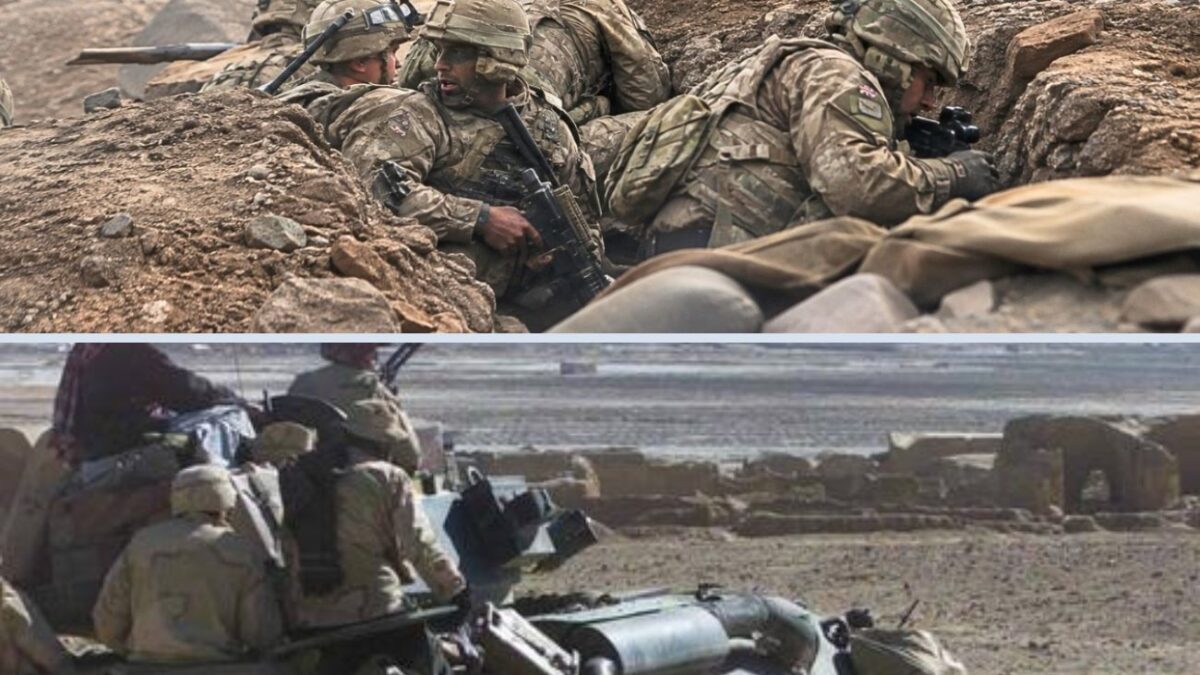
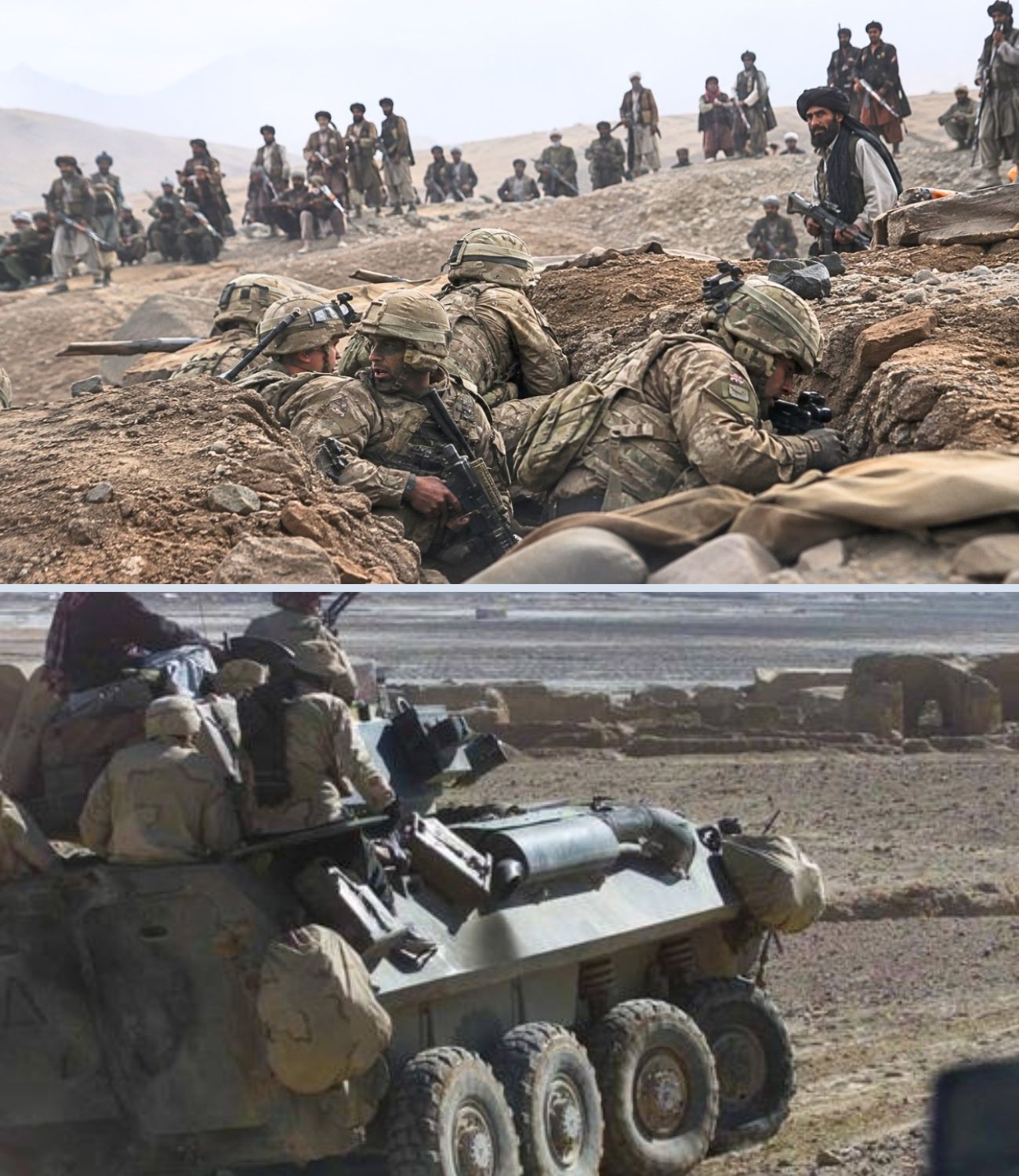
In July 2006, 30 British soldiers were cut off inside a crumbling mud fort in Helmand province, surrounded by 300 Taliban fighters who expected an easy massacre. With water running out in 50° heat and ammunition down to their last magazines, conventional military wisdom said these men were already dead.
How did 30 isolated British troops turn an impossible 10 to one siege into the Taliban’s most costly mistake of the entire war? July 2006, Musa Qala, Helmand province, southern Afghanistan. The heat hit like a hammer against bare skin. Inside a small compound made of dried mud and straw, 30 British soldiers were looking out at the end of the world.
Outside the broken walls, 300 Taliban fighters were closing the ring. Every path out of the valley was blocked. Every road was packed with hidden bombs. The enemy had surrounded them on all four sides. It was supposed to be a total slaughter. The Taliban believed they were about to wipe out an entire British force in a single afternoon, but that belief was about to become the biggest mistake the Taliban ever made.
The numbers were completely against the British. It was 10 enemy fighters for every one British soldier. The sun baked the ground until the air reached 50° C. That is 122° F. The sweat dried on the men before it could even roll down their necks. Water was nearly gone. Each man had enough drinking water to last only two more days. Their food was almost finished.
Worst of all was the ammunition. A standard rifleman usually carries hundreds of rounds into combat. Inside this broken fort, men were opening their pouches to find only five magazines left. That was 150 bullets per man. If the enemy charged all at once, those bullets would be gone in less than 5 minutes. Everything the high leaders had planned was failing.
Just a few months earlier, politicians back home in London had spoken to the news. They said they hoped the British mission in Helmand would finish without firing a single shot. They thought the soldiers would build schools, dig water wells, and help local police. It was a nice dream, but reality had shattered that dream into dust.
The British had walked into an active hornet’s nest. The Taliban had spent years gathering weapons, training young men, and hiding heavy machine guns in the green fields along the river. Peacekeeping tactics could not work here. Soft words could not stop a rocket. The standard rules of the army manual were useless inside this tiny patch of dirt.
The man in charge was Major Will. He was an officer from the Parachute Regiment. He was not a man who looked for glory. He had spent his career training men for high-speed drops and steady patrols. He had studied how to work with tribal elders and build trust in quiet villages. He had arrived in Helmand expecting to help local leaders run their towns.
Instead, he was now standing inside an old police station with 30 young paratroopers and rangers. Some of these boys were only 19 years old. A few had arrived from basic training just weeks before. They looked at Will with wide dry eyes. They knew the danger. They could hear the enemy talking on their radios.
The enemy was telling each other that the British would be dead before sundown. The top generals back at the main base were far away. The headquarters at Camp Bastion was miles of rough desert to the south. The experts there looked at digital maps on air-conditioned walls. They did not understand the true danger.
They thought the Taliban in Musa Qala were just small groups of angry farmers with old hunting guns. They believed the enemy would run away the moment British soldiers showed their uniforms. The high command sent messages telling Will to hold his ground and keep his presence known. They told him not to worry. They told him help would come if things got bad.
But Will knew the truth. Helicopters could not land in the narrow streets without being blasted by rocket fire. Relief trucks could not drive through the mountain passes without being blown apart by buried explosives. No one was coming to save them. They were completely on their own. Will walked through the courtyard.
The ground was covered in loose dust that smelled like old ash and animal waste. He climbed up a short flight of broken clay steps to look over the north wall. Through his field glasses, he saw the tree line by the river. He saw the black turbans moving between the mud walls of the civilian houses. He saw the flash of metal in the afternoon sun.
It was an old Soviet heavy machine gun being rolled into place on a nearby roof. The enemy was setting up a trap. They wanted the British to run out of the fort and try to retreat across the open fields. If the British ran, the enemy would pick them off one by one from the high ground. Will lowered his glasses.
He wiped the dust from his eyes. His mind was racing, but his pulse was slow and steady. Conventional wisdom said that 30 men could not hold a broken mud fort against 300 attackers. Standard army rules said that when you were surrounded 10 to 1, you must call for an immediate retreat before the ring closes. But Will saw something the enemy did not see.
The mud walls were thick. The enemy was confident and careless. The Taliban thought the British were trapped like animals in a cage. But Will looked around the courtyard and made a cold decision. They were not trapped in a cage. They were going to turn this mud house into a deadly machine. If the enemy wanted this fort, they would have to pay for every single foot of dirt with their lives.
Major Will did not waste a second. He gathered his 30 men in the center of the courtyard. He looked at their dusty faces. His voice was calm and low. He told them they were not going to run. They were not going to sit and wait to die. They were going to rebuild this mud station into an iron box. The first job was physics and math.
The compound was 50 m wide and 60 m long. The walls were made of sun-dried river mud mixed with straw. Those walls were nearly 2 m thick. That was more than 6 ft of solid earth. Small rifle bullets could not pass through 6 ft of baked clay, but rocket-propelled grenades could punch holes through it.
Will took out his notebook and drew a map of the compound. He divided the walls into four distinct fire zones, north, south, east, and west. At each corner of the roof, the soldiers placed their best weapon, the general-purpose machine gun. The British called it the Gimpy. The Gimpy fired heavy 7.62-mm rounds at a speed of 750 bullets every minute.
Will set the guns so their paths of fire crossed each other at 90° angles. If an enemy fighter ran toward the east wall, the gunner on the north corner could hit him from the side. If an enemy attacked the south gate, the gunner on the west roof could cut him down. No enemy could approach the walls without walking into two machine guns at the very same time.
Next came the hard limits. Will walked to the supply corner. There were only 40 boxes of clean drinking water left. He set the daily rule. Every man received exactly 2 L of water each day. In 50° heat, a human body wants 8 L of water just to keep the kidneys working. 2 L meant constant thirst. It meant dry tongues that felt like sandpaper.
It meant painful cramps in the legs and stomach. But 2 L meant they could stay alive for 12 days instead of three. Ammunition was guarded like gold. Will ordered every rifleman to switch their weapons to single shots or short three-round bursts. No soldier was allowed to hold down the trigger. If a man fired without seeing a clear target, he was pulled off the wall.
The mortar crew had 20 high explosive bombs left for their small tube. The crew leader measured the ground outside down to the exact meter. 120 m to the green gate, 210 m to the corner shop, 340 m to the mud bridge. Every distance was written on the wall in blue grease pencil. They would not need to guess when the shooting started.
Initial messages from the main base brought cold comfort. The high commanders over the radio told Will that no transport trucks could reach them. The roads were thick with pressure plate mines. The commanders warned Will that helicopter flights were too dangerous because enemy fire was too heavy around the landing zones.
The headquarters told the 30 men to save their bullets and wait for political talks to work. They did not want a major battle in the center of town. Will knew that waiting for talks was a death sentence. The enemy was not here to talk. The enemy was here to kill. Will found his greatest strength in a young air specialist named Jack.
Jack was the platoon’s joint terminal attack controller. He carried a heavy radio pack that connected directly to allied aircraft flying high above the clouds. Jack was quiet and thin, but he held the power of thunder in his hands. While the other men filled sandbags with river dirt, Jack sat on the hot roof with a laser pointer and a radio handset.
He mapped every rooftop, every ditch, and every alley around the compound. He gave each spot a secret code number. If the enemy rushed the walls, Jack did not have to describe the whole town over the radio. He only had to say three numbers and a jet miles in the sky would know the exact square foot of earth to strike.
The first real test came on the fourth morning. At 6:00, the sun was just climbing over the brown hills. A strange quiet fell over the bazaar. The stray dogs stopped barking. The birds flew away from the palm trees. Then, the desert exploded. Over 60 Taliban fighters jumped out of a deep irrigation ditch 80 m from the eastern wall.
They screamed battle cries and fired Kalashnikov rifles from the hip. Rocket grenades flew through the air with loud hisses, slamming into the outside mud walls with deep, heavy thuds. Dust filled the sky like thick gray fog. Inside the fort, the British soldiers did not panic. They did not shout. They waited.
Will stood behind the sandbags with his watch in his hand. The enemy ran closer. 70 m, 50 m, 40 m. Then, Will shouted the command. The eastern north machine guns opened fire together. The sound was deafening. It was not a wild spray. It was steady, rhythmic bursts. Three rounds, pause. Three rounds, pause.
The heavy lead bullets ripped through the dust with absolute precision. The enemy assault hit a wall of steel. In less than 2 minutes, the entire front wave of the attack was broken. The surviving fighters turned and scrambled back toward the ditch, leaving their weapons behind in the dirt. The British stopped firing instantly.
Not a single extra bullet was wasted. Will checked his men. No British soldiers were down. The mud walls had absorbed dozens of rocket blasts. The thick clay was scarred and smoking, but it held firm. The interlocking fire plan had worked exactly as the math said it would. Resources were still painfully thin.
When the small cleaning oil bottles ran dry, the soldiers used engine oil from a dead generator to clean their rifle bolts. When the sandbags tore open from bullet hits, they filled empty ration boxes with hard dirt and stacked them in the gaps. Every man worked with his weapon tied to his wrist. They were filthy.
Their eyes were bloodshot from lack of sleep. Their lips were cracked and bleeding from the dry heat, but the fear was gone. They had looked at the enemy’s best charge and they had crushed it. The 30 men understood Will’s plan now. They were not waiting to be saved. They were turning this little mud fort into an iron trap, and the enemy was walking right into it.
The days turned into a blur of smoke, fire, and roaring engines. Over the next month, the Taliban threw everything they had against the 30 British soldiers. They attacked at dawn. They attacked in the heat of midday. They attacked under the black sky of midnight. But every time the dust cleared, the compound still belonged to the British.
The numbers were staggering. Across 40 days of continuous combat, 30 British troops held off dozens of heavy ground assaults by more than 300 fighters. More than 100 Taliban attackers were killed outside the perimeter. More than 150 were wounded and carried back into the green hills. The enemy’s leadership was stunned.
They had promised their commanders that Musa Qala would fall in 24 hours. Instead, their best fighters were being cut down in the streets day after day. The British lost men to wounds, but their line never broke. Not a single enemy fighter ever set foot inside the inner courtyard. The Taliban tried to adapt.
They realized that running across the open dirt was suicide. So, they changed their methods. They used picks and shovels to dig long tunnels through the dried mud houses nearby. They crawled through irrigation pipes under the roads. They set up heavy mortars behind civilian walls and dropped iron shells directly into the British yard.
Shrapnel buzzed through the air like angry hornets. RPG rockets struck the parapets so often that the top 2 ft of the mud walls were turned into fine, floating powder. The physical conditions inside the fort were pure misery. The smell was something no man could ever forget. It was the stench of burned cordite gunpowder, melted plastic, hot oil, and the sweet, terrible odor of rotting bodies left out in the desert sun just 30 m away.
Black flies covered every surface. They landed on the soldiers’ faces, crawled into their ears, and covered every piece of hard biscuit they tried to eat. The heat rose to 52° C. The metal barrels of the machine guns grew so hot that skin would peel off a man’s hand if he touched them without gloves. Men kept firing while their hands were wrapped in dirty cloth bandages.
The floor of the compound was covered ankle deep in shiny brass shell casings. Every time a soldier moved, the spent casings clinked and rattled under his boots. The dust was everywhere. It got into the water bottles, turning the small sips into gritty brown mud. It got into the teeth, grinding like sand with every bite.
The men did not sleep for more than 20 minutes at a time. They would fire their weapons, drop to the floor to clean their rifle bolts, and close their eyes against the sandbags until the next rocket screamed over the wall. Alternative methods tried by other units in the province were failing. Out in the open valleys, mobile patrols in light-wheeled trucks were hitting massive landmines.
When vehicles broke down in the open, soldiers were exposed to ambushes from all sides. But inside the thick mud walls of Musa Qala, the static defense was proving to be an unbreakable shield. Will’s strict discipline kept them alive. While other outposts burned through their supplies in days, Will’s men still had ammunition because they never fired in panic.
The radio net hummed with short, hard voices that told the story of the fight.
“Target on the eastern corner,” Will would call out calmly through the noise.
“Hold your fire until they clear the bakery wall.”
Then Jack’s voice would cut through the static, talking to the sky.
“Viper 2-1, this is ground zero. Target is 50 m south of my beacon. Danger close. You are cleared hot.”
Moments later, the air would tear apart. British Apache attack helicopters would dive out of the sun. The sound of their 30 mm chain guns was like a giant piece of canvas being ripped in half. The heavy shells hit the enemy trenches with explosive thuds, throwing dirt 30 ft into the air.
Harrier jump jets roared over the rooftops just 200 ft above the ground. Their jet engines shaking the mud walls so hard that dust rained down from the ceiling like water. The strikes were so close that British soldiers had to duck behind the sandbags to avoid the hot metal fragments falling from the sky. The full scale of the defense was historic.
During the siege, the small British force fired over 100,000 rounds of small arms ammunition. They launched dozens of precision Javelin anti-tank missiles directly into the windows of sniper buildings, using high-tech armor-piercing rockets to punch through thick clay bunkers. They directed more than 40 air strikes on a piece of land no bigger than a football pitch.
The enemy had expected an easy victory against a small, weak garrison. Instead, they had broken their own strength against 30 disciplined soldiers who refused to yield. The Taliban had gathered their most experienced fighters from across Helmand province for this grand assault. They thought they were cornering 30 helpless men.
It was their fatal mistake. In the alleys and ditches around the Musa Qala district center, the enemy had thrown away an entire battalion of their best men against a wall of British discipline that simply would not fall. The end of the siege did not come with a trumpet call. It came with an eerie, sudden silence.
By the late summer, the ground around Musa Qala was quiet. The constant crack of rifle fire finally died down. The local town elders had seen enough blood in their streets. They walked to the front gate holding white flags made from torn cotton shirts. They told Major Will that the Taliban had suffered too many losses to continue the fight.
The enemy was exhausted, broken, and retreating back into the distant mountains. A local agreement was reached to stop the destruction of the town, and fresh British forces arrived with armored vehicles to relieve the exhausted garrison. When the 30 British soldiers finally walked out of the compound, they looked like ghosts rising from the earth.
Their uniforms were torn and stiff with dried salt from their sweat. Their skin was burned brown by the desert sun and blackened by weeks of weapon smoke. Their eyes were sunken deep into their skulls from hunger and thirst. Some men were carrying injuries from blast fragments. Others had their arms in slings. But they walked out through the broken gate with their weapons held high and their heads up.
Not one of them had quit. Not one inch of the compound had been given away. The Battle of Musa Qala changed the British military forever. Back in London, the high generals and government ministers could no longer pretend the war was a peaceful mission. The idea that British soldiers could walk through Helmand without firing a shot was buried forever in the dust of Musa Qala.
Military experts took the story of the 30 soldiers and studied it closely. The army realized that the strategy of platoon houses, leaving small groups of 30 men in isolated outposts without heavy armor or road support, was far too dangerous. The British army changed its entire approach.
They stopped scattering troops in tiny mud forts. They brought in heavy Mastiff armored trucks that could survive land mines. They brought in more artillery, more helicopters, and bigger groups of soldiers so that no small unit would ever be left completely alone again. The lessons learned by 30 men behind those 6-ft mud walls were written directly into the training books for every British soldier who went to war after them.
The men who survived the siege went home to a quiet world. Major Will and several of his soldiers were awarded medals for great bravery, including the Military Cross. But there were no grand parades down the streets of London. Most people back home were busy with their daily lives and did not understand what had happened in that far-off valley.
For the men who were there, the medals were not what mattered most. What mattered was the man standing next to them in the dirt. Many of the soldiers carried invisible scars for years. They woke up in the middle of the night hearing the whistle of rockets and the clink of empty shell casings. They carried the memory of the heat, the thirst, and the terrible smell of that summer courtyard.
The story of Musa Qala teaches us a deep lesson about what happens when plans fail. In war and in life, the people sitting at desks far away often make big promises. They draw clean lines on maps and think everything will go smoothly. But when the real world turns violent and messy, plans on paper mean nothing.
The only thing that matters is the discipline, the skill, and the heart of the people on the front line. The Taliban made their fatal mistake because they looked only at the numbers. They saw 300 fighters against 30 men. They saw old mud walls and cut off roads. They thought that math was enough to guarantee a victory.
They did not understand that a small group of people, completely united and working with absolute discipline, can stand against impossible odds. Those 30 British soldiers did not survive because they were lucky. They survived because they trusted each other, followed their training, and refused to break when the world was burning around them.
In the end, the crumbling mud fort in Musa Qala was just a tiny dot on the map of a long, painful war. The town itself would change hands again in the years that followed. But the stand made by those 30 men remains carved in history. It stands as a timeless truth about human nature. When everything falls apart, when help is not coming, and when the odds are 10 to 1 against you, courage is not about shouting loud or being fearless.
Courage is doing your job round by round, breath by breath, until the storm finally clears.
You Might Also Enjoy

“We Thought They Would Negotiate”—What Argentine Soldiers Said When The British Attacked Goose Green

“You’ll Never Finish My Ruck March, Limey” — US Sergeant Who Challenged the SAS, Then Fell Out First






